-
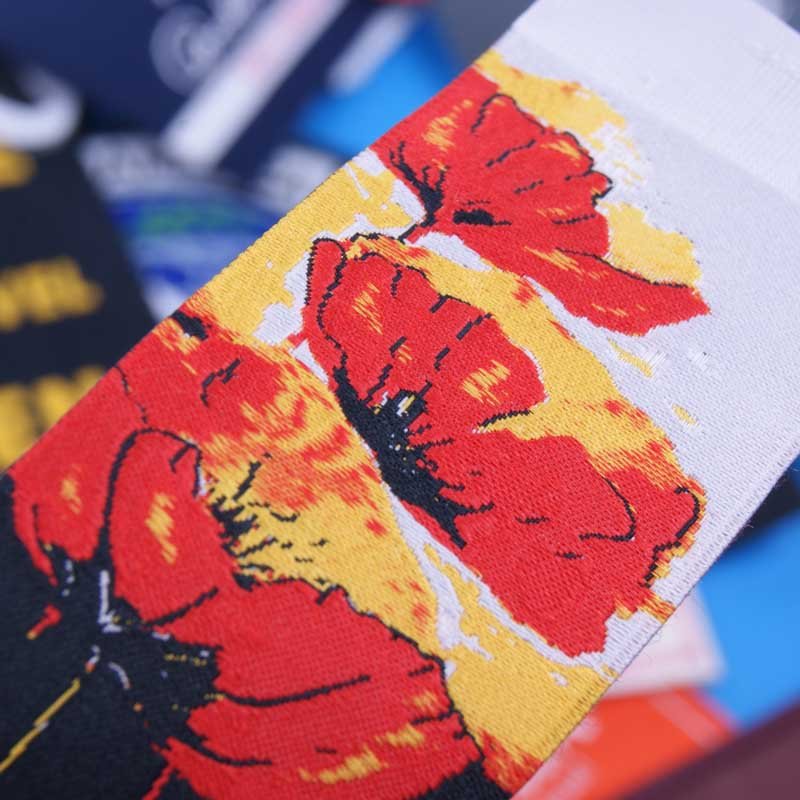
IMG-PT26 · 800×800 Gradient print, macro -
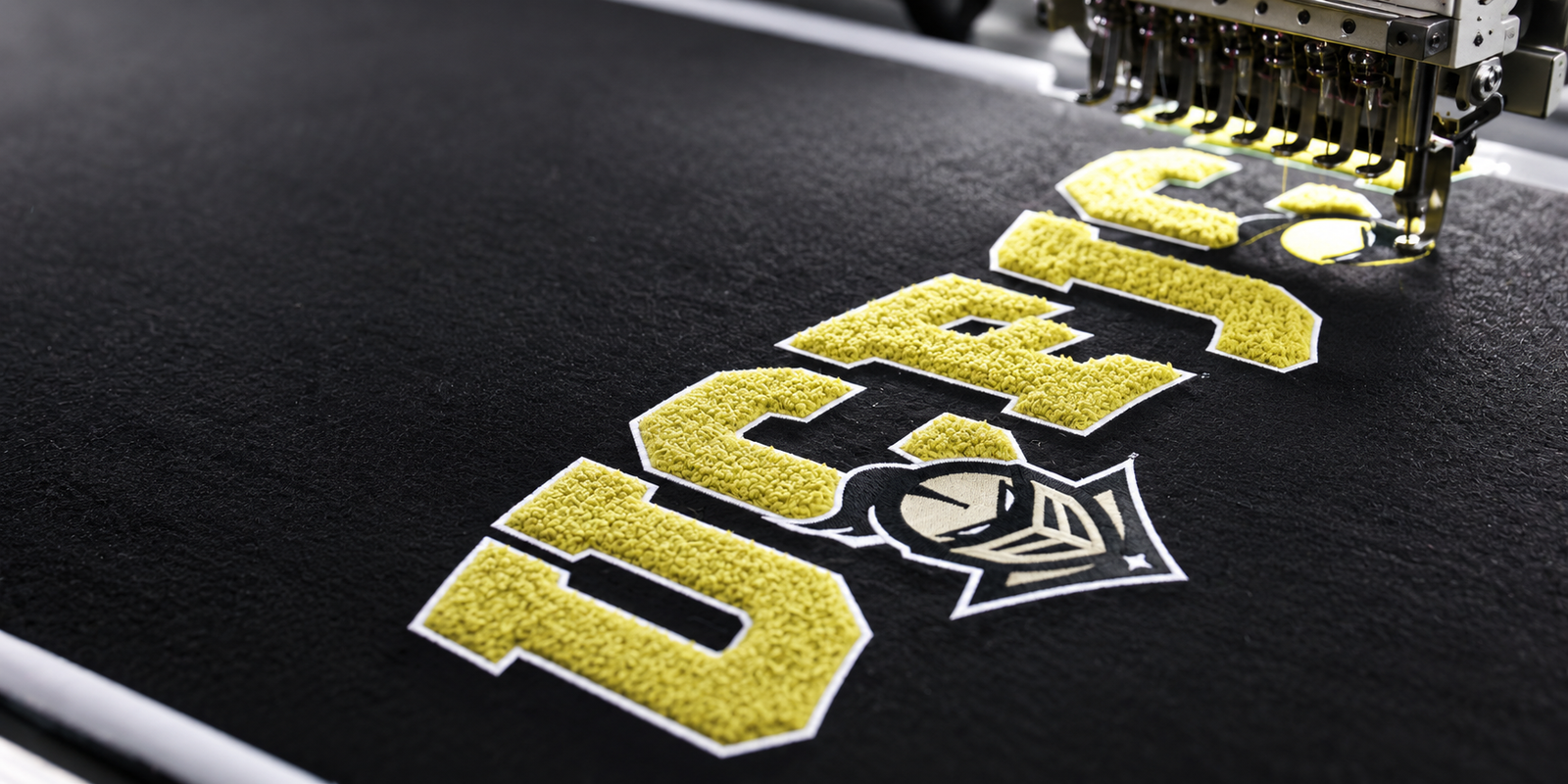
IMG-PT27 · 800×800 Photographic detail -
IMG-PT28 · 800×800 Heat press, macro -
IMG-PT29 · 800×800 Heat-cut edge, macro
Printed products
What we print.
Nine items at a time, newest first.
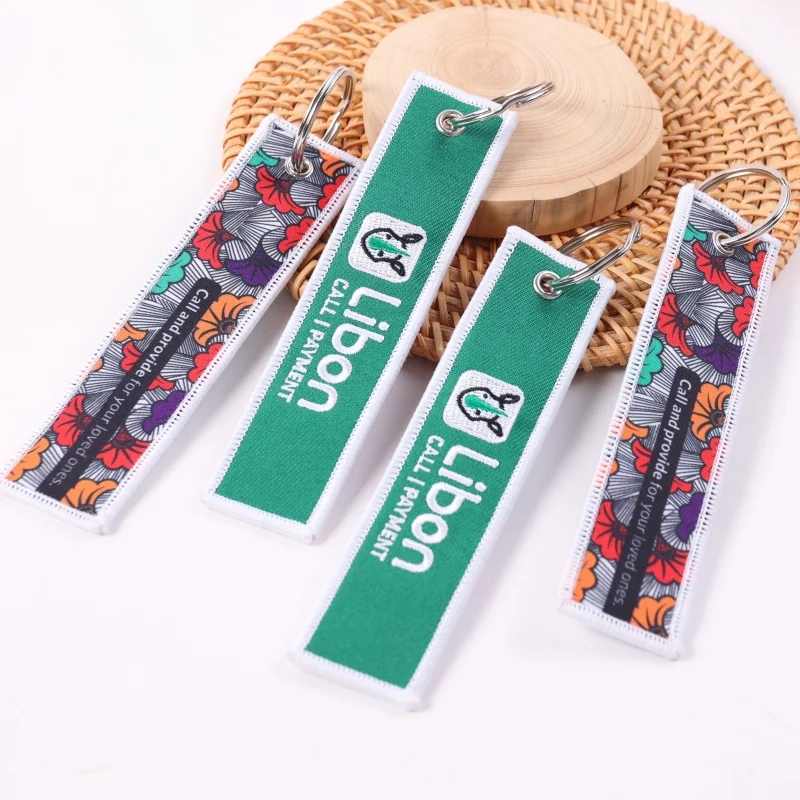
3 printed items
Ask about a printed item we have not listedThe making
From artwork file to pressed, cut piece.
Five stages, each with an owner and a record. The sample you approve is what every piece in the run is measured against.
-
Step 01
Artwork review
Resolution, small text, fine lines, colour count and the finished size are checked before anything is quoted.
-
Step 02
Colour reference
Your colour references are translated into a physical printed reference, because ink, substrate and screens all differ.
-
Step 03
Sample
A printed sample in your hand, on the substrate it will be made in — often inside 2–3 days when capacity allows.
-
Step 04
Print & cut
Approved artwork is printed, then heat-cut or contour-cut on 30+ vision-guided cutting machines for a clean edge.
-
Step 05
Backing, heat press & QC
Heat-seal film, adhesive, hook-and-loop or sew-on backing applied in the press, then inspected against the sample you approved.
Method vocabulary
Six ways print and heat build a piece.
The substrate and the backing decide how the colour reads, how the piece is applied, and how it survives washing.
Fabric print
Artwork printed onto the substrate instead of stitched, so gradients, photographs and unlimited colour counts survive to the finished piece.
Print on PVC
Print carried on a PVC base, for a flat, wipe-clean surface that keeps photographic detail.
Heat transfer
A printed piece applied with heat and pressure, using a heat-activated film and a controlled press cycle.
Heat-seal backing
An adhesive film activated in the press and applied to the back of the piece, so the customer can apply it with an iron or a press.
Heat-cut edge
A sealed, borderless edge with no thread wrap, cut on the outline rather than finished by hand.
Substrate choice
What the print sits on decides how the colour reads and how the piece wears: a soft fabric hand, or a wipe-clean PVC surface.
Detail limits
Where print wins, and where it stops.
Print resolves far finer detail than thread, which is why it carries the text and the graphics other processes cannot. The limit moves to the other end: text set too small still closes up, and the substrate decides how sharp an edge reads.
The same line, two sizes
Printed detail holds at the finished size where thread would fill in — but a letter set too small closes up in the print as well, and fine lines merge into one another.
Artwork review checks the smallest element, the colour count, the material limits and the finished size before a sample is printed, and says so when a line cannot hold.
What artwork review checks
- Small text
- Fine lines
- Complex graphics
- Colour count
- Logo proportion
- Edge & cut line
- Material limits
- Colour reference
- Final size
- Backing
Where a design needs a raised or stitched surface, the same file can run as an embroidered, woven, chenille or PVC piece instead — decided at review, before a sample is printed.
Applications
Where printed work goes.
Full-colour branding, small text and photographic artwork — on apparel, headwear, uniforms and event items.
-
IMG-PT60 · 480×480
Retail apparel & tees
Full-colour branding where a stitched surface is not wanted.
-
IMG-PT61 · 480×480
Caps & headwear
Front-panel artwork with photographic detail.
-
IMG-PT62 · 480×480
Uniforms & workwear
Name, role and logo marks in one print run.
-
IMG-PT63 · 480×480
Promotional & event merch
Giveaways, campaign packs and event kits.
-
IMG-PT64 · 480×480
Streetwear & printed labels
Interior branding and label detail in full colour.
-
IMG-PT65 · 480×480
Wristbands & event entry
Printed wristbands with serial numbers and QR codes.
Structure
Application, edge and colour decide how it behaves.
Three decisions carry the piece once it leaves the plant: how it is applied, how the edge is finished, and how closely the colour holds.
Application structures
-
Heat-seal / iron-on
A heat-activated adhesive film applied in the press, so the customer can apply the piece with an iron or a press.
-
Self-adhesive
Pressure-sensitive backing for flat, hard surfaces and temporary use.
-
Hook-and-loop
Hook side on the piece, with matching loop tape supplied. Made for gear that swaps marks.
-
Sew-on
Plain back, no adhesive. The most durable option where the piece is stitched down.
Edge finishes
-
Heat-cut / sealed edge
A sealed edge with no thread wrap, giving a flat borderless finish for woven and printed patches.
-
Contour cut edge
Cut on the outline by our 30+ vision-guided machines, for irregular shapes, lettering and inside cut-outs.
Colour
-
Pantone reference
The colour you name is the production reference, matched as closely as the substrate allows.
-
Printed colour reference
A physical printed piece in the material and colour, because ink, substrate and screens all differ.
Manufacturing
Printed, pressed and cut in our own plant.
Printing runs on the same floor as artwork, heat-press finishing, cutting, inspection and packing — a 7,000 m² facility in Guangzhou rather than a subcontracted job.
7,000 m²
Owned plant
Production, finishing, inspection and packing in one building.
80+
Staff
Artwork, production, finishing and QC teams working from one specification.
30+
Vision cutters
Heat-cut and contour cutting for irregular shapes, lettering and clean edges.
4
Application structures
Heat-seal, adhesive, hook-and-loop and sew-on, confirmed with the sample.
Colour checked against the printed reference you approved, on the material it will be made in.
The heat press activating a heat-seal film, with temperature, pressure and dwell time set per material.
Heat-cut and contour edges, then inspection against the approved sample before packing.
Keep exploring
The pages buyers read next.
The printed range carries the specification; the other process pages show what thread and relief can do, and the procurement pages cover artwork, samples and dates.
- Printed Patches Full-colour artwork
- Printed Labels Fine text on labels
- Printed PVC Patches Print on a PVC base
- Promotional & Event Wristbands and event merch
- Embroidery Process Thread and stitch structure
- Woven Process When small text has to hold
- Chenille Process Raised yarn on felt
- PVC / Rubber Process Moulded 2D and 3D relief
- Artwork Review What to send
- Pricing & MOQ How a quote is built
- Lead Times & Rush Orders Dates and feasibility
- Knowledge Guides and case studies
Page last updated · Maintained by the LOVECOLOUR artwork and production team in Guangzhou
FAQ
Printing and heat-transfer questions.
Short answers to what buyers ask before sending artwork. Anything project-specific is confirmed in writing at review.
What can printing do that embroidery cannot?
Print carries gradients, photographic artwork and unlimited colour counts onto the substrate instead of building the design in thread, which also keeps the cost per piece lower at volume. What it does not give you is a raised, stitched surface. Where the design depends on texture, embroidery, chenille or PVC relief is the better answer, and artwork review will say so.
How does heat transfer work?
A printed piece or a backing film is applied with heat and pressure. Temperature, pressure and dwell time are set per material, and the backing structure — heat-seal, self-adhesive, hook-and-loop or sew-on — decides how the customer applies the piece and how it survives washing. The backing is confirmed with the sample rather than assumed.
Will the printed colour match my artwork exactly?
Pantone is the production reference and the print is matched to it as closely as the substrate allows. Because ink, fabric and screens all differ from one another, we produce a physical printed reference in the material itself, and colour then stays an inspection point through bulk rather than only at sampling.
Can printed patches carry small text and fine lines?
Print resolves far finer detail than thread, which is why it is the process recommended for small text, complex graphics and fine lines. The limit is still set by the substrate and the finished size: text printed too small closes up and fine lines merge. The smallest element of your artwork is checked at its finished size during review.
What is the minimum order quantity for printed patches?
Each product carries its own standard MOQ, and for many custom items it starts at around 100 pieces. It is confirmed for your specification, because size, substrate, colour count and backing all move it. Below the standard MOQ the unit price can increase.
How long does printing take, and can you rush it?
Bulk production usually takes 7–12 days after artwork approval, and a sample can be ready in about 2–3 days when capacity allows. Rush orders are reviewed case by case against capacity, artwork status, material and shipping method, so a rush date is confirmed rather than promised.
Direct factory collaboration
Send artwork, get a real answer.
Include the finished size, quantity, substrate (fabric or PVC), colour references and how the piece will be applied. We check what print can hold at that size, match the colour as closely as the material allows, and come back with a factory-direct quote — or tell you plainly that a stitched or moulded process would serve the artwork better.