-
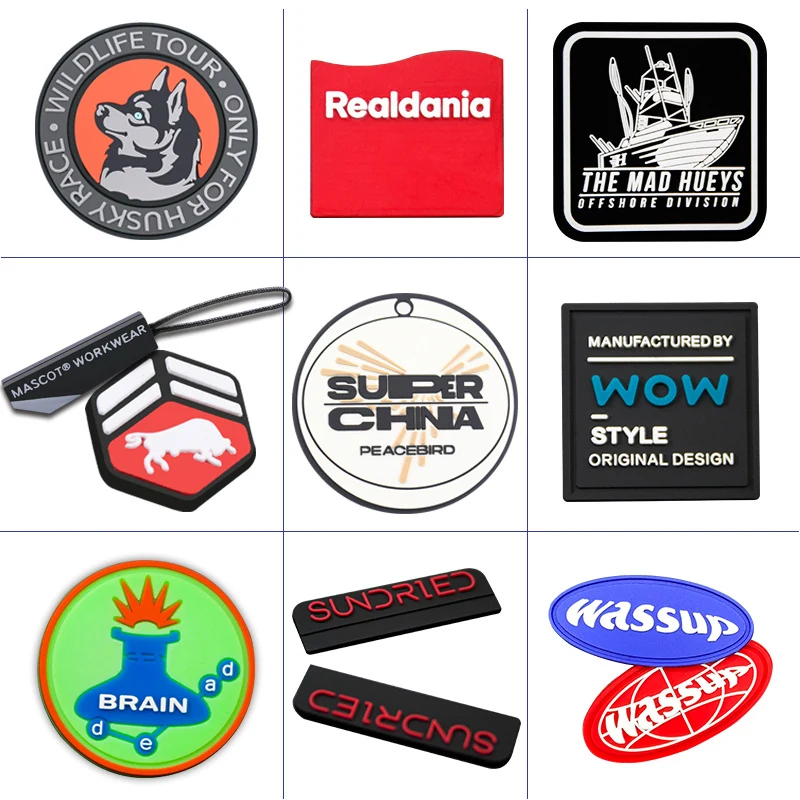
IMG-PV26 · 800×800 2D fill, macro -
IMG-PV27 · 800×800 3D relief, macro -
IMG-PV28 · 800×800 Soft rubber, macro -
IMG-PV29 · 800×800 Cut edge, macro
PVC & rubber products
What we mould in PVC and rubber.
Nine items at a time, newest first.
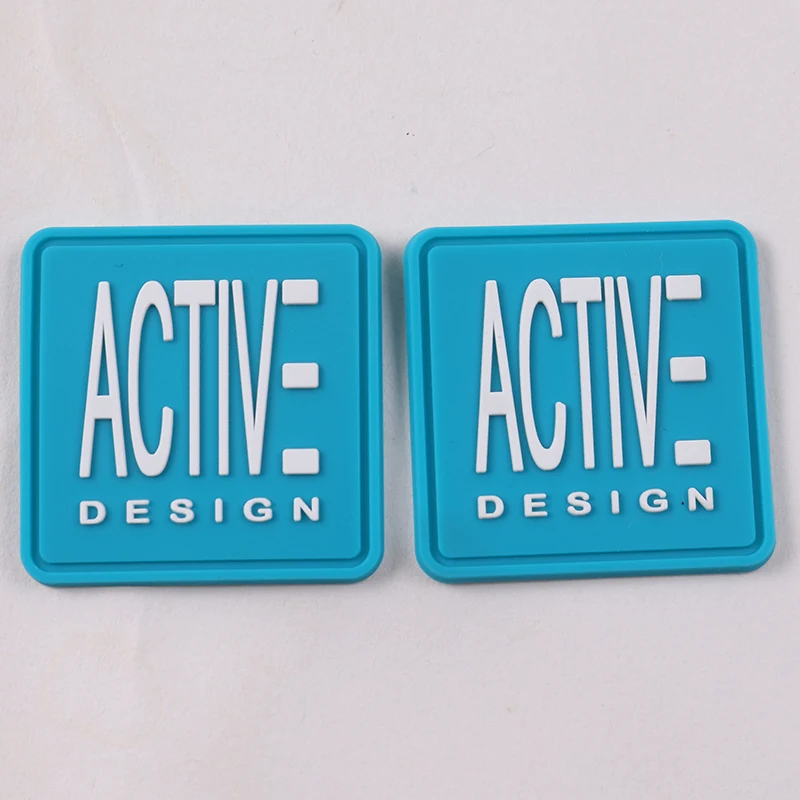
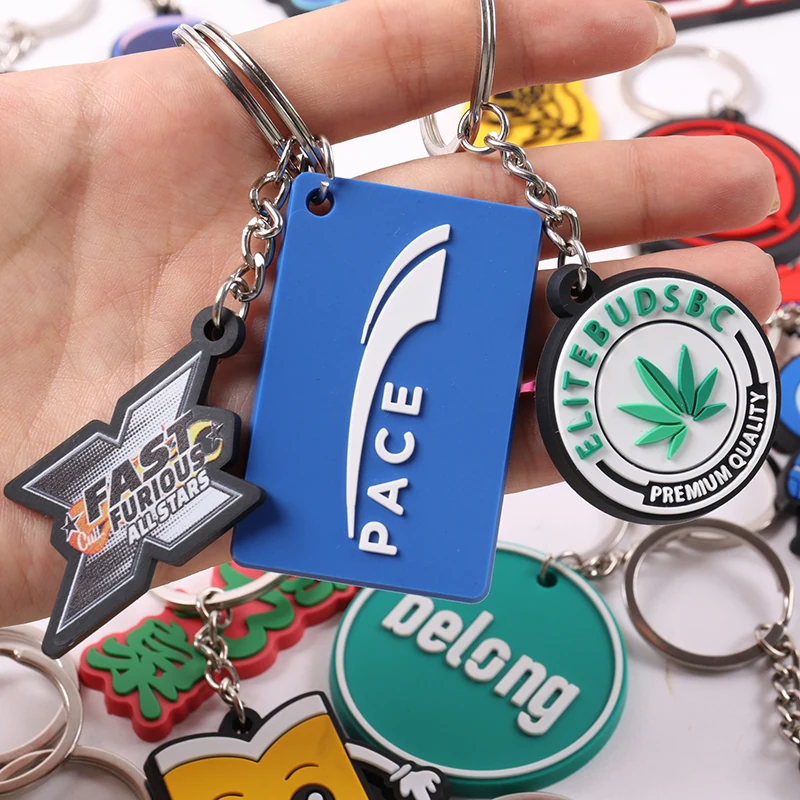
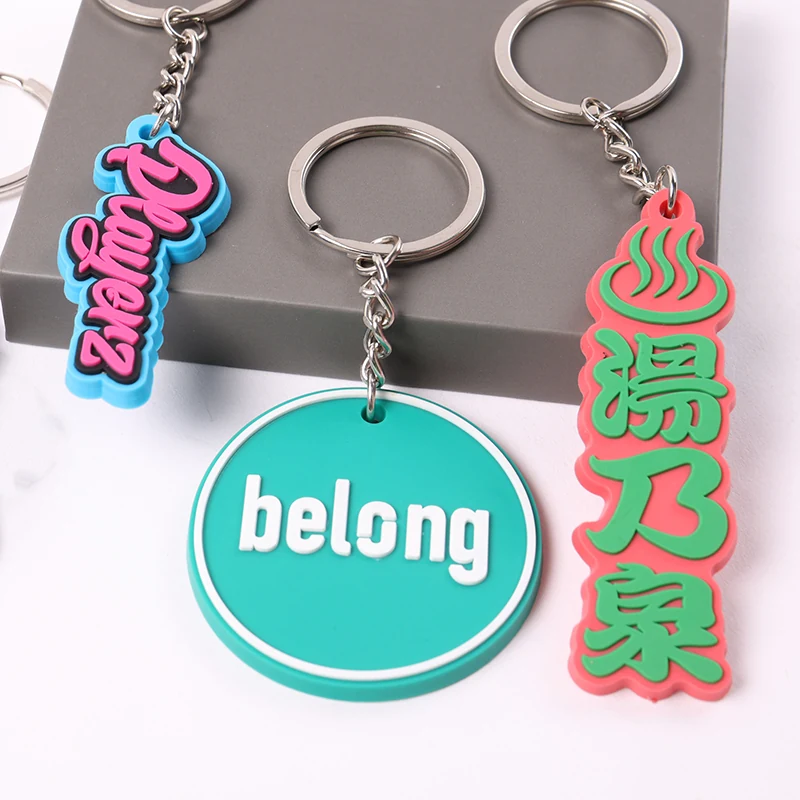
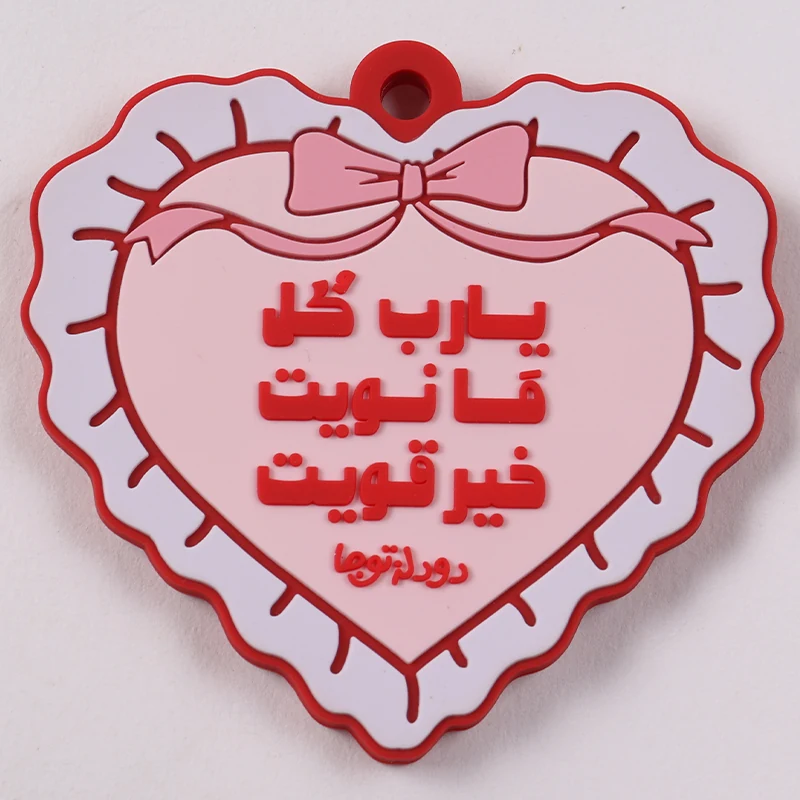
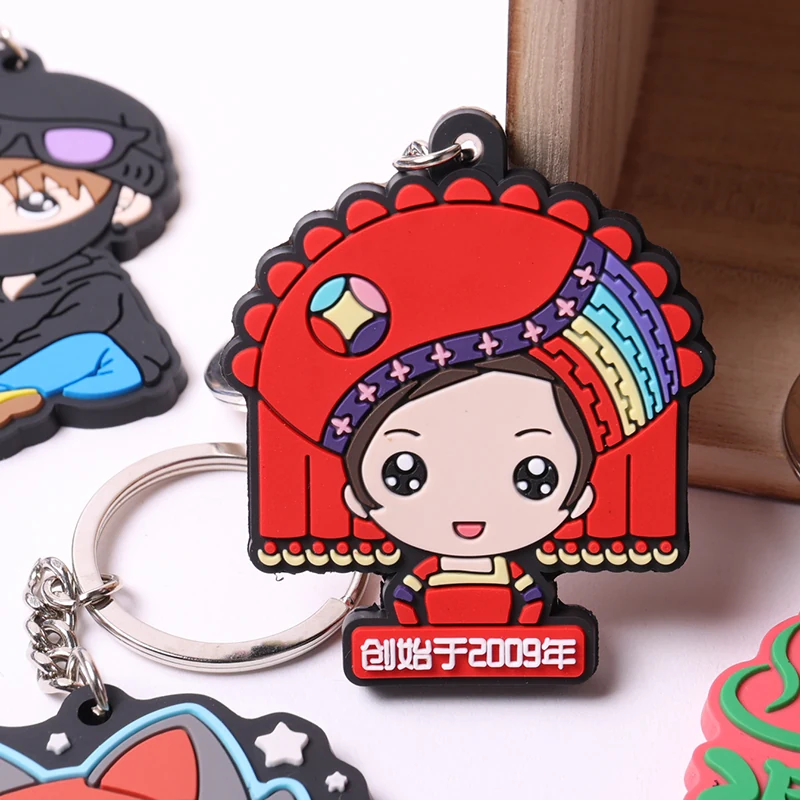
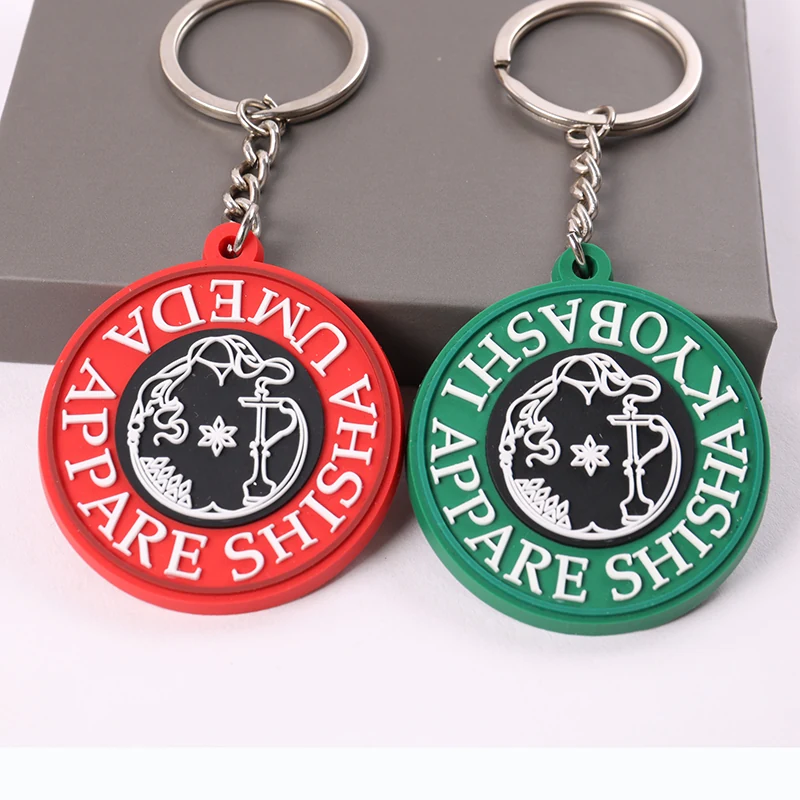
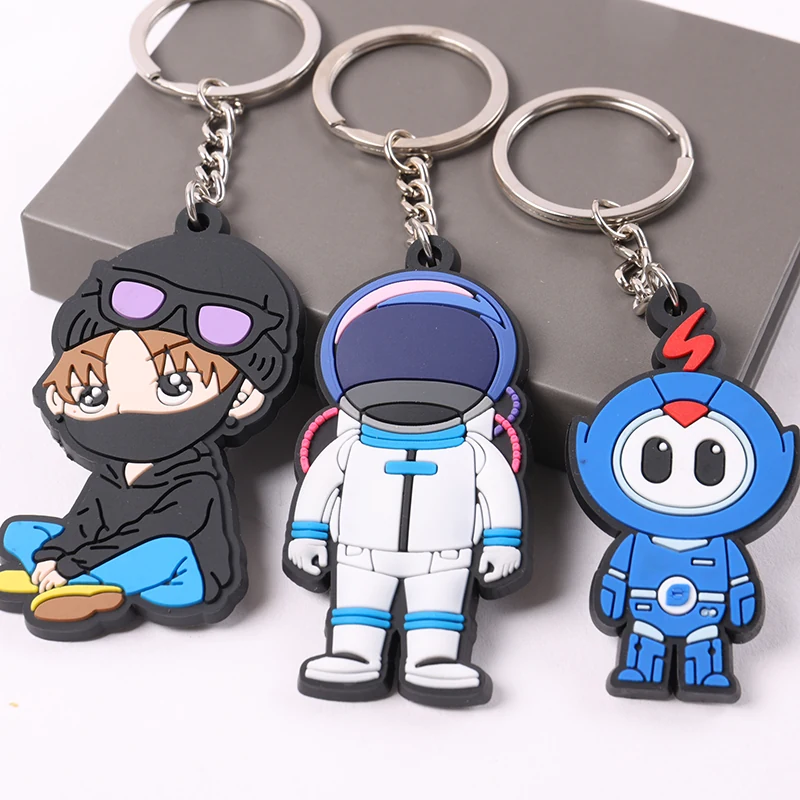
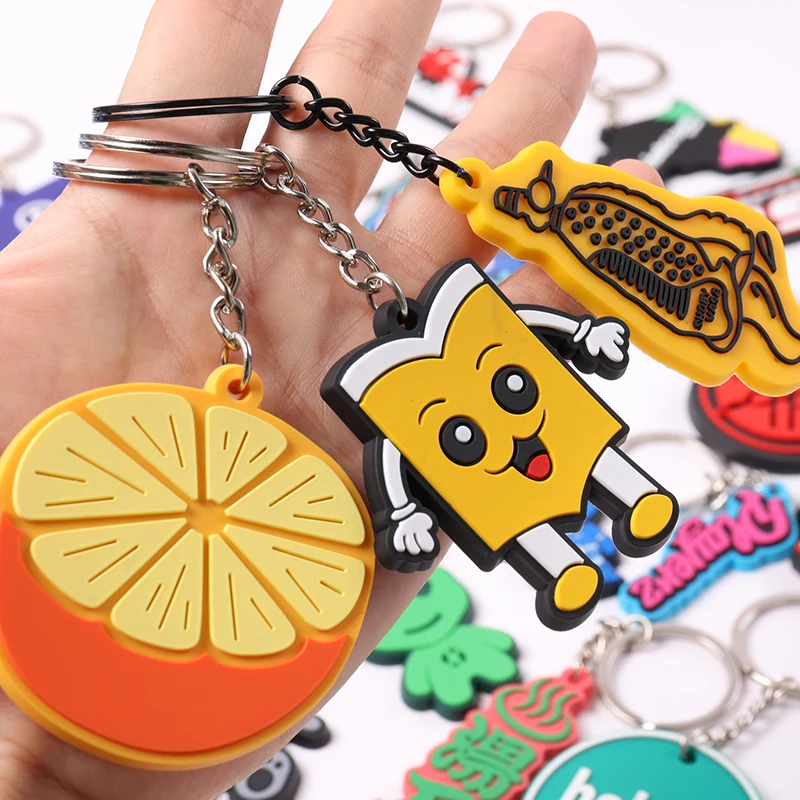
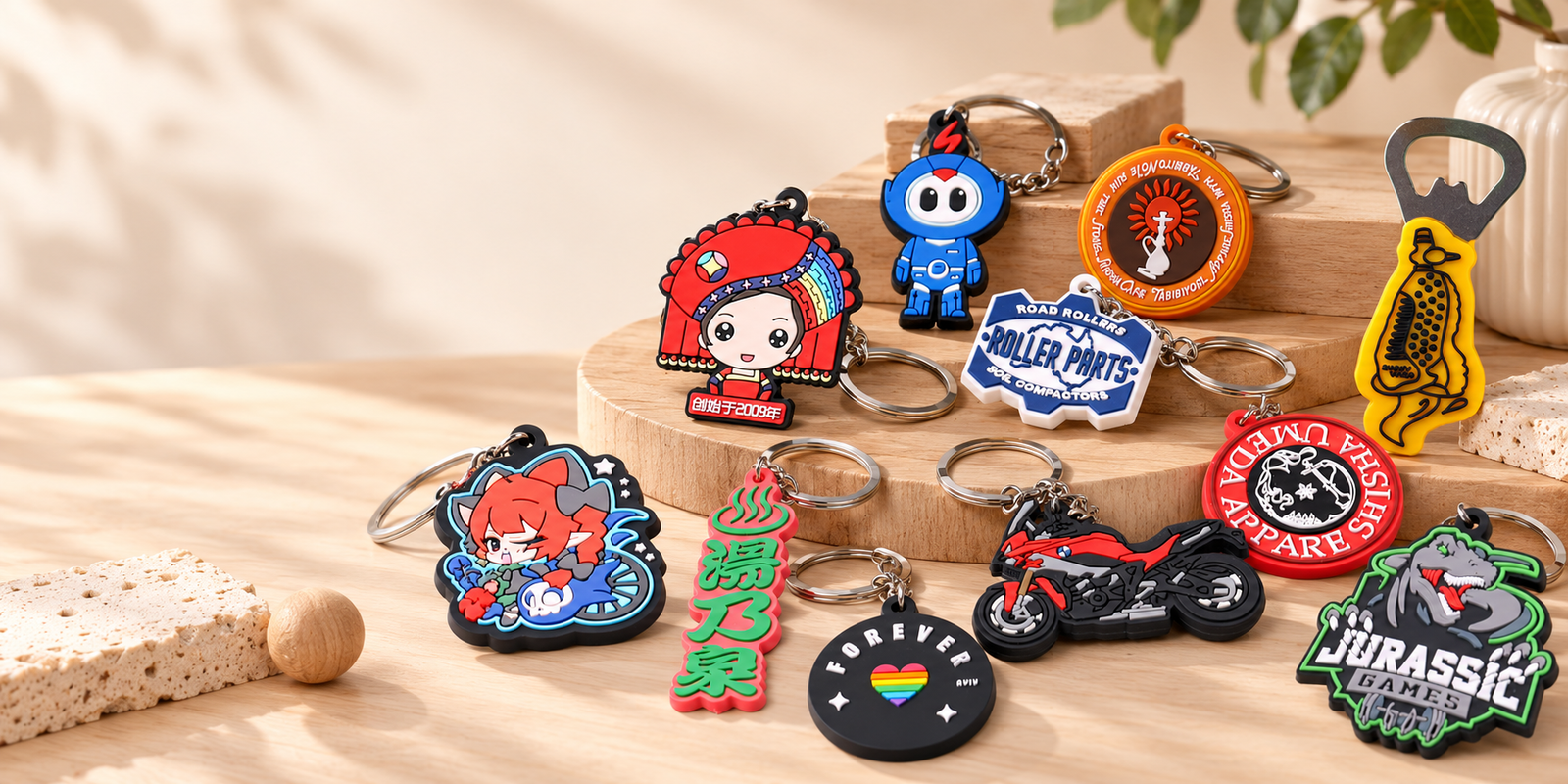
9 PVC & rubber items
Ask about a PVC piece we have not listedThe making
From artwork file to checked piece.
Five stages, each with an owner and a record. The sample you approve is what every piece in the run is measured against.
-
Step 01
Artwork review
Line width, layer clearance, small text, colour count, finished size and backing are checked before anything is quoted.
-
Step 02
Layer & colour set-up
Layers, relief height and colour breaks are set up, and Pantone references are translated into a physical colour sample.
-
Step 03
Sample
A physical sample in your hand: relief, colour, surface and edge checked against the reference — often inside 2–3 days when capacity allows.
-
Step 04
Bulk production
Approved work runs in our own plant, with colour consistency, layer definition and bulk consistency as standing production controls.
-
Step 05
Cutting, backing & QC
Edges contoured on 30+ vision-guided cutting machines, backing laminated, then inspected against the sample you approved.
Build vocabulary
Six ways to build a PVC piece.
Relief, layering and surface decide how the artwork reads — and how fine a line survives.
2D flat fill
Even colour filling with no relief — the most economical way to carry a logo across a large area.
3D moulded relief
Raised detail that throws a shadow and reads from a distance, with the surface level set in the build.
Multi-layer structure
Two or more stacked levels, each carrying its own colour or height, so the artwork reads as depth.
Printed PVC
Print carried on a PVC base, for gradients, photographic artwork and many-colour designs.
Soft rubber texture
A matt, rubber-touch compound for grip and wear, with low glare under strong light.
Custom shape & edge
Any outline, lettering and inside cut-outs, contoured on the cutting line instead of by hand.
Detail limits
What relief holds, and what it does not.
Line width and the clearance between layers decide what survives, not the drawing on screen. Both are checked on your artwork rather than published as one number.
Relief costs clearance
The same letter in two builds: a flat fill holds a fine line, while a raised layer needs room around it or one level closes against the next.
Artwork review checks the smallest line, the clearance, the colour count and the finished size before a sample is made — and says so when a line cannot hold.
What artwork review checks
- Colour matching
- Layer definition
- Small text feasibility
- Line width
- Surface effect
- Edge quality
- Product dimensions
- Backing strength
- Cutting line
- Bulk consistency
Where the artwork needs more than relief can hold, the same file can run as a woven, printed or embroidered piece instead — decided at review, before a sample is cut.
Applications
Where PVC and rubber work goes.
Gear that meets water, abrasion and repeated use — the surfaces thread cannot serve.
-
IMG-PV60 · 480×480
Outdoor gear
Patch areas that meet rain, mud and abrasion.
-
IMG-PV61 · 480×480
Tactical & hook-and-loop
Unit marks for tactical gear and pouches, exchanged on hook-and-loop.
-
IMG-PV62 · 480×480
Military & police gear
Insignia and identification with colour matching held across the run.
-
IMG-PV63 · 480×480
Backpacks & bags
Brand and claim patches moulded to the bag outline.
-
IMG-PV64 · 480×480
Workwear & uniforms
Name and role marks that survive laundering.
-
IMG-PV65 · 480×480
Footwear & headwear
Tongue and cap marks, cut and moulded to shape.
Structure
Backing, surface and colour decide how it behaves.
Three decisions carry the piece once it leaves the plant: how it attaches, how the surface reads, and how closely the colour holds.
Backing structures
-
Hook-and-loop (Velcro)
Hook side on the piece, with matching loop tape supplied. Made for gear that swaps marks.
-
Sew-on
Plain back, no adhesive. The most durable option where the piece is stitched down.
-
Self-adhesive
Pressure-sensitive backing for flat, hard surfaces and temporary use.
-
Heat-seal / iron-on
Heat-activated adhesive film, applied with a heat press.
Surface & edge
-
Contour cut edge
Cut on the outline by our 30+ vision-guided machines, for irregular shapes, lettering and inside cut-outs.
-
Surface finish
Gloss, matt or a soft-rubber touch, confirmed on the sample before bulk.
Colour
-
Pantone reference
The colour you name is the production reference, matched as closely as the compound allows.
-
PVC colour sample
A physical chip of the compound, because screens, materials and PVC all differ from the reference.
Manufacturing
Made, finished and checked in our own plant.
PVC and rubber work runs on the same floor as artwork, contour cutting, backing, finishing, inspection and packing — a 7,000 m² facility in Guangzhou rather than a subcontracted job.
7,000 m²
Owned plant
Production, cutting, finishing, inspection and packing in one building.
80+
Staff
Artwork, production, finishing and QC teams working from one specification.
30+
Vision cutters
Camera-guided contour cutting for irregular shapes, lettering and clean edges.
9
Production controls
Colour, layers, line width, edges, dimensions, backing and bulk consistency, checked per order.
Moulded pieces checked against the approved sample, layer by layer.
Colour matching: compound and filling held against the Pantone reference you approved.
Edge contouring, backing and inspection before the shipment is packed.
Keep exploring
The pages buyers read next.
The PVC range carries the specification; the process and procurement pages cover material choice, artwork, samples and dates.
- PVC / Rubber Patches Full specification
- PVC Rubber Labels Brand labels, same material
- PVC Keychains Small merch, same lines
- Embroidery Process Thread and stitch structure
- Woven Process When fine detail has to hold
- Chenille Process Raised yarn on felt
- Artwork Review What to send
- Samples & Approval How a sample is signed off
- Pricing & MOQ How a quote is built
- Lead Times & Rush Orders Dates and feasibility
- Knowledge Guides and case studies
Page last updated · Maintained by the LOVECOLOUR artwork and production team in Guangzhou
FAQ
PVC and rubber questions.
Short answers to what buyers ask before sending artwork. Anything project-specific is confirmed in writing at review.
What is the difference between 2D and 3D PVC patches?
2D is an even colour fill with no relief. 3D adds moulded height, so the surface catches light and shadow and reads from a distance. Both can be multi-colour and matched against a Pantone reference. Relief also changes what the artwork can carry: a raised layer needs clearance around it, which a flat fill does not.
Can PVC and rubber patches carry small text and fine lines?
Small-text feasibility and line width are two of the production controls on every job. A 2D fill holds the finest line; a raised layer needs clearance around it, so a line that looks safe on screen can close up in relief. Send the artwork at its finished size and artwork review will confirm the smallest line before a sample is made — and say so if it cannot hold.
How do PVC and rubber patches attach?
Hook-and-loop, sew-on, self-adhesive and heat-seal. Hook-and-loop suits gear whose marks are swapped; sew-on is the most durable where the piece is stitched down; self-adhesive is for flat, hard surfaces; heat-seal needs a heat press. Backing strength is an inspection point, so the backing is confirmed with the sample rather than assumed.
Will the colours match my Pantone reference?
Pantone is the production reference and the compound is matched to it as closely as the material allows. Because screens, materials and PVC itself differ from the reference, we also produce a physical PVC colour sample. Colour matching then stays an inspection point through bulk, not only at sampling.
What is the minimum order quantity for PVC patches?
Each product carries its own standard MOQ, and for many custom items it starts at around 100 pieces. It is confirmed for your specification, because size, number of layers, colour count and backing all move it. Below the standard MOQ the unit price can increase.
How long does PVC production take, and can you rush it?
Bulk production usually takes 7–12 days after artwork approval, and a sample can be ready in about 2–3 days when capacity allows. Rush is reviewed case by case against capacity, artwork status, material and shipping method. Some PVC ID-card rush orders have run in about 3–5 days, but a rush date is confirmed rather than promised.
Direct factory collaboration
Send artwork, get a real answer.
Include the finished size, quantity, relief (2D or 3D), colour references and backing you have in mind. We check what the build can hold, match the colour as closely as the compound allows, and come back with a factory-direct quote — or tell you plainly that another process would serve the artwork better.