How Durable Are Custom Patches on Industrial Workwear?
A durable industrial workwear patch is not defined by thick embroidery, heavy fabric or a strong-looking border alone. Long-term performance depends on the patch construction, garment material, attachment method, laundering conditions and agreed quality requirements.
For workwear brands, uniform suppliers and industrial purchasing teams, the real question is not simply whether an embroidered, woven or PVC patch looks durable. It is whether the specified patch can be evaluated against the way the finished uniform will be worn, cleaned and maintained.
This guide covers industrial washing, sew-on and hook-and-loop attachment, common patch failures, sample testing, quality inspection and the special considerations that apply to safety-critical clothing. It also provides a practical bulk purchasing checklist for construction, manufacturing, logistics, maintenance and other workwear sectors.
Quick answer: For an ordinary non-protective work uniform, a properly specified textile patch with an appropriate attachment method can be a practical solution. However, industrial-laundry performance cannot be guaranteed from the material name alone. For high-temperature cleaning, demanding exposure or certified PPE, the complete garment-and-patch assembly may require specific validation and authorization before use.
For custom logo development and bulk manufacturing options, explore our Custom Industrial Workwear Patches product page.
What Actually Makes an Industrial Workwear Patch Durable?
Workwear patch durability is a system-level question. The embroidered threads or woven structure matter, but so do the border, backing, garment fabric and attachment. Failure in just one component can make the patch unsuitable even when the logo itself remains visually intact.
Patch Material
Thread, textile foundation, woven yarn or PVC construction influences appearance, flexibility and how the product responds to its environment. No material should be assigned a universal durability rating without defined test conditions.
Stitching and Construction
Embroidery density, stitch direction, material tension and logo geometry can affect distortion, puckering and surface appearance. Woven structures and moulded details have different production considerations.
Edge Finishing
Merrowed borders and contour-cut edges should be assessed for clean finishing and compatibility with the selected shape. A visually neat border does not by itself establish a certified abrasion rating.
Garment Attachment
Sew-on stitches, hook-and-loop interfaces and heat-activated adhesives are different mechanical systems. Their suitability depends on the garment, cleaning method and expected use.
Cleaning Conditions
Washing temperature, detergent chemistry, mechanical action and drying can affect the patch, its backing and the garment. Industrial laundering may be more demanding than domestic washing.
Production Consistency
An approved sample provides a reference for the bulk order. Material substitutions, altered dimensions, changed backing or inconsistent sewing can create differences between sampling and delivery.
Appearance Durability vs. Functional Attachment
A patch may remain readable while its edge begins to lift. Conversely, a securely attached patch may become unsuitable because important lettering loses definition or the garment fabric distorts. Both visual condition and attachment performance should be included in the acceptance criteria.
Practical purchasing principle: Define the required outcome first. For example, a buyer may need the approved logo to remain readable, the patch to stay attached and the garment to retain its required properties after a specified maintenance process. Those are separate checks and should not be collapsed into one vague claim of durability.
Industrial Washing vs. Domestic Washing: Why the Difference Matters
Industrial workwear patches are often described as washable, but washable does not mean suitable for every laundry program. The correct evaluation begins by identifying the actual care process used by the end customer.
| Factor | Domestic Washing | Industrial Laundering | Buyer Action |
|---|---|---|---|
| Temperature | Varies by household cycle | May follow defined commercial procedures | Provide the expected temperature profile |
| Detergent | Household laundry products | May use different formulations and dosing | Identify cleaning agents where performance is critical |
| Mechanical action | Depends on appliance and cycle | Depends on commercial machinery and program | Evaluate against the specified procedure |
| Drying | Air drying or domestic machine drying | May involve commercial finishing equipment | Confirm drying temperature and method |
| Frequency | Depends on user habits | May follow a repeated service schedule | Agree on the required evaluation cycles |
| Evidence | Generic washable claims may be insufficient | Defined test records may be necessary | Request test conditions and documented observations |
Can Standard Embroidered Patches Survive Industrial Washing?
They may be suitable for some applications, but the answer depends on the exact materials, attachment and laundry process. A standard embroidered logo should not be marketed as industrial-wash certified merely because it survives ordinary machine washing.
Should the Patch Be Tested Alone or on the Garment?
For some preliminary evaluations, individual patch characteristics can be inspected separately. Where the main risk concerns attachment, garment distortion, protective function or the combined response to laundering, evaluating the patch as applied to the actual garment is more informative.
Buyers should agree on the test specimen, cycle count, observation points and acceptance criteria before the test begins.
What Does ISO 15797 Mean for Industrial Workwear Patch Testing?
ISO 15797:2017, titled Textiles — Industrial washing and finishing procedures for testing of workwear, specifies procedures and equipment used to evaluate workwear intended for industrial laundering.
The standard provides a basis for evaluating relevant properties of workwear under defined industrial washing and finishing procedures, including dimensional stability, colour characteristics and general visual appearance.
It does not mean that every patch sold for a work uniform has independently passed testing, and it does not establish a universal maximum wash-cycle claim for every patch and garment combination.
Questions to Ask When a Supplier Mentions ISO 15797
- Which ISO 15797 procedure was used, and what was the test date?
- Was the tested specimen a loose patch, a fabric sample or a finished garment carrying the patch?
- Which attachment method was tested?
- How many washing and finishing cycles were completed?
- What were the recorded visual, dimensional and attachment observations?
- Which acceptance criteria were agreed before testing?
- Does the report cover the exact materials and construction being ordered?
Technical clarification: ISO 15797 is a recognized testing-procedure reference, not automatic proof that a particular embroidered, woven or PVC logo patch is approved for any industrial laundry process. Any compliance or performance statement should identify the actual test, specimen and result.
What Is a Sensible Testing Plan for a New Workwear Project?
For projects with documented industrial laundering requirements, obtain the garment’s care and performance specification first. Identify the patch construction and attachment, agree on suitable test conditions with the responsible technical party, examine the combined assembly and record observations against pre-agreed criteria. If the patch or garment changes, determine whether additional validation is needed.
Sew-On vs. Hook-and-Loop vs. Heat-Seal: Which Attachment Holds Up Best?
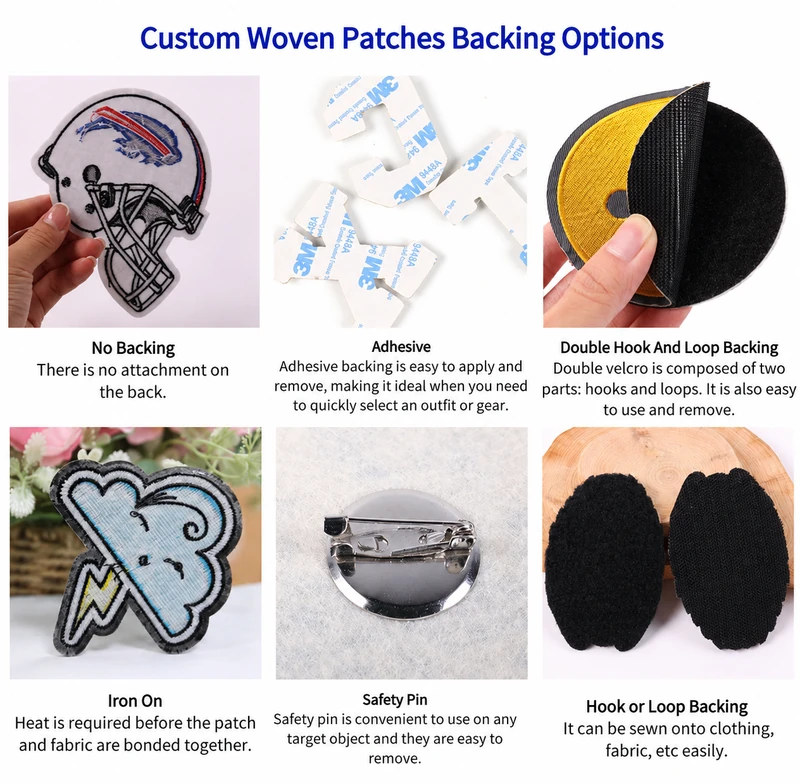
There is no universal winner across every type of workwear. Attachment durability depends on the garment fabric, maintenance procedures, patch construction and whether the patch is intended to be permanent or removable.
Sew-On Workwear Patches
Sew-on attachment is often a useful starting point for permanent branding on suitable work shirts and jackets. Sewing creates a mechanical connection between the patch and garment, but thread selection, stitch placement, garment fabric and laundering conditions still need to be assessed.
Common issues to inspect include broken sewing threads, loose sections, edge lifting, puckering around the attachment and distortion of the underlying garment. Stitching through waterproof or specialized protective layers may also affect garment function.
Hook-and-Loop Uniform Patches
Hook-and-loop patches can be convenient when department identification, roles or approved team markings change. Their practical performance depends on the matching hook and loop surfaces, attachment to the garment, contamination, cleaning and replacement frequency.
Inspect whether the panel remains properly secured, whether repeated removal affects its holding function and whether the garment’s care instructions permit the chosen construction. Removable patches should not be assumed suitable for every machine or cleaning environment.
Heat-Seal and Iron-On Backing
Heat-activated adhesives may be suitable for selected patch and fabric combinations. However, application temperature, pressure, dwell time, fabric coating and laundering conditions influence bonding. The presence of an adhesive layer alone does not establish industrial-wash performance.
Before approving heat-seal backing for a workwear program, obtain the garment manufacturer’s application limits and validate the relevant attachment performance.
| Method | Useful Application | Potential Failure | Recommended Check |
|---|---|---|---|
| Sew-on | Permanent branding | Loose or broken stitches, fabric damage | Inspect sewing consistency and garment condition |
| Hook-and-loop | Removable identification | Loss of holding performance, panel separation | Check mating surfaces and repeat-use conditions |
| Heat-seal | Selected compatible fabrics | Peeling, edge lift, adhesive degradation | Verify application parameters and cleaning performance |
To compare workwear patch types and suitable constructions, visit our industrial uniform patch manufacturing page.
How Do Embroidered, Woven and PVC Patches Fail Differently?
Patch construction affects how defects appear. A buyer should not use the same inspection language for embroidery, woven textile badges and moulded rubber patches without considering their manufacturing differences.
Embroidered Patches
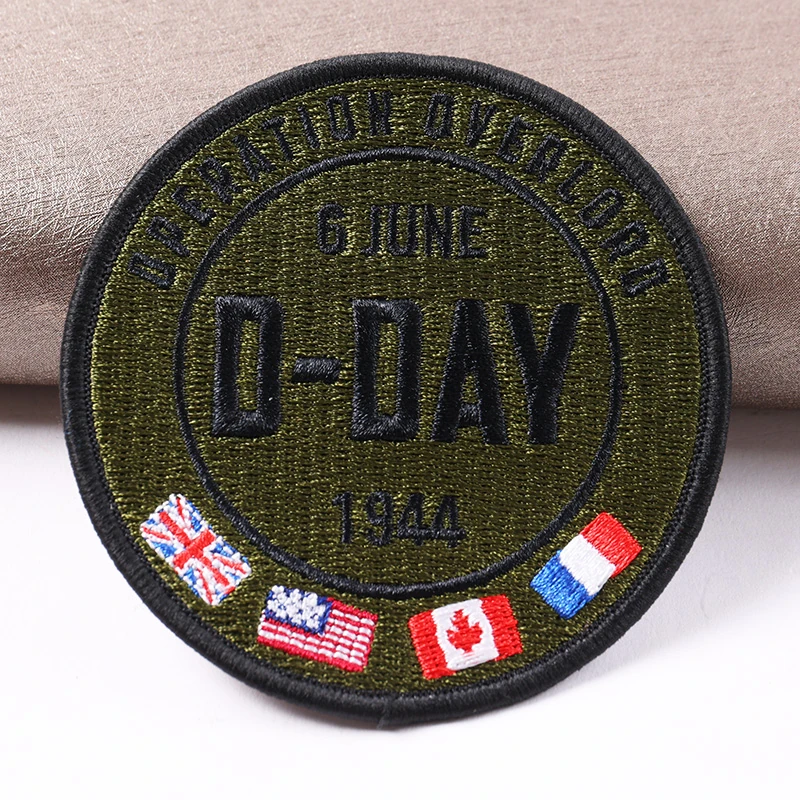
Typical visual checks include loose threads, incomplete stitching, incorrect stitch direction, distorted lettering, inconsistent fills, puckering and border defects. The approved physical sample should establish the acceptable appearance at final size.
Woven Patches
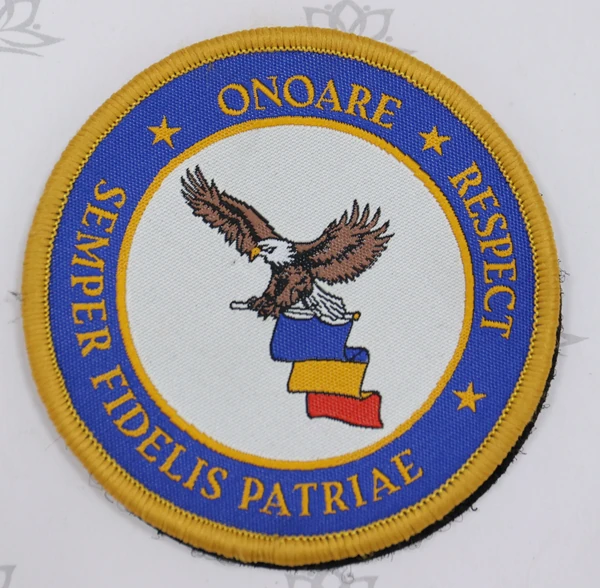
Inspect fine lettering, yarn coverage, line definition, colour separation, cut edges and distortion. Small text should be judged at normal viewing distance rather than only through a magnified sample photograph.
PVC Rubber Patches
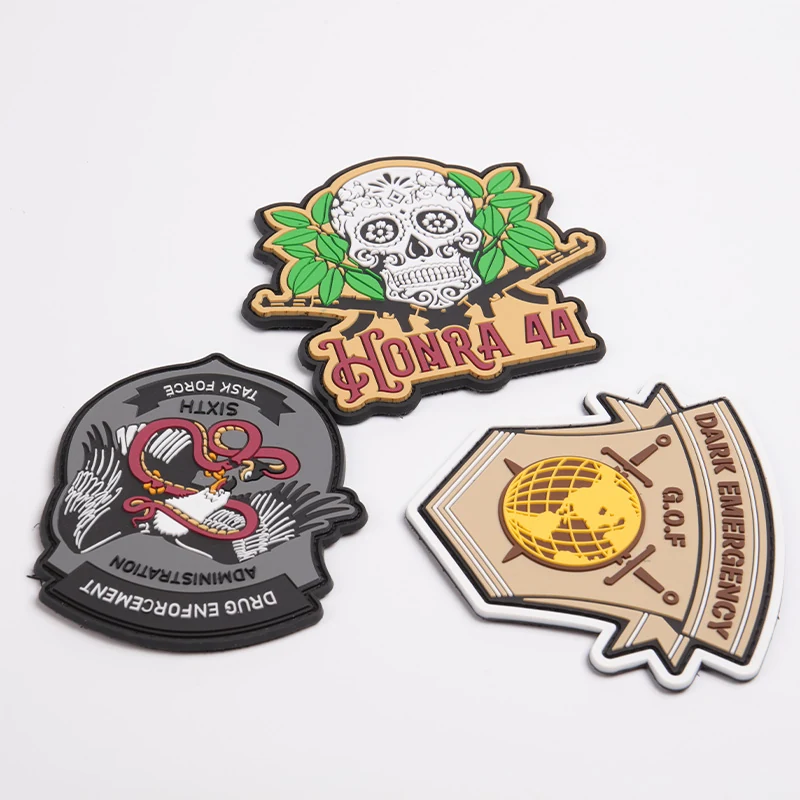
Inspect moulded layer definition, colour fill, edge cleanliness, dimensional consistency, flexibility and backing construction. Any environmental exposure requirement needs separate review rather than reliance on the word waterproof.
Garment and Patch Assembly
Inspect the attachment, garment surface and patch placement together. A visually correct patch can still be unsuitable if its attachment damages the garment or performs poorly under the required cleaning process.
For more information about material selection before durability evaluation, read our embroidery process guide, woven manufacturing guide and PVC rubber manufacturing guide.
Patch Durability Requirements Across Construction, Manufacturing, Logistics and Other Workwear Industries
Industrial workwear is not one uniform product category. The correct specification depends on how the garment is used, cleaned and maintained, not simply on the sector printed in the purchasing request.
Construction Workwear Patches
For construction company uniforms, consider contact with equipment, abrasive surfaces, dirt and frequent garment replacement. Evaluate logo placement and sewing on ordinary work jackets. If the garment is certified high-visibility or protective workwear, obtain additional approval.
Factory & Manufacturing Uniform Patches
For production-worker clothing, determine whether garments are washed at home or sent to an industrial laundry. Department patches should be assessed for readability, colour consistency, attachment and compatibility with the actual work environment.
Maintenance Technician Patches
Service technician uniforms may require company logos, role identifiers and small department text. Evaluate whether the patch should be permanent or replaceable, and identify any exposure to oils, cleaning agents or demanding laundering.
Warehouse & Logistics Uniform Patches
Warehouse and distribution companies may use patches across multiple facilities. Standardized size, backing, logo artwork and replacement-order records are especially valuable for keeping uniform branding consistent.
Automotive Service Workwear
Workshop uniforms can be exposed to dirt, grease and cleaning products. Material appearance alone does not prove chemical resistance. Buyers should supply the intended maintenance procedures and request relevant verification when needed.
Utility & Electrical Workwear
Some utility uniforms may be flame-resistant or arc-rated protective clothing. Ordinary patch materials must not automatically be specified. Garment-manufacturer instructions and appropriate safety approval are essential.
Food Processing & Facility Uniforms
Uniform buyers may need documented laundering processes, identification clarity and garment compatibility. Site hygiene requirements and any specialized cleaning procedures should be confirmed before patch construction is selected.
Oil, Gas & Industrial Service Clothing
These applications may include special environmental or protective clothing requirements. Buyers should distinguish ordinary company-branded uniforms from certified PPE and provide the exact use and compliance requirements.
Buying principle: The industry name is an indication of likely requirements, not proof of the actual hazard or garment specification. The safest procurement process begins with the uniform manufacturer’s technical information and the buyer’s intended operating conditions.
Can Ordinary Patches Be Applied to Flame-Resistant, Arc-Rated or High-Visibility Workwear?
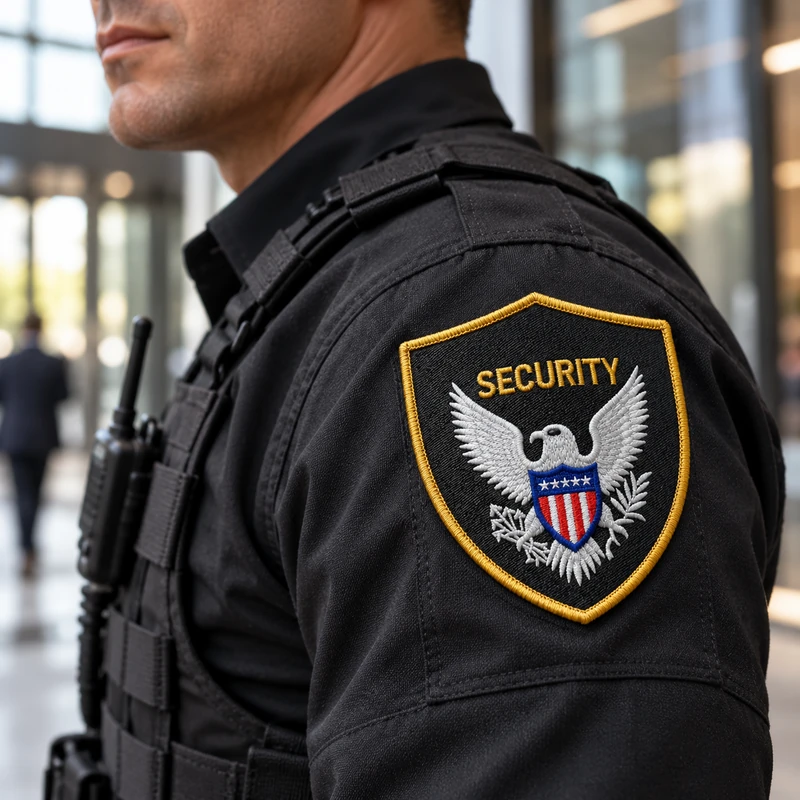
Ordinary custom uniform patches and certified protective garment components are not interchangeable. A logo that is suitable for a standard warehouse shirt may be inappropriate for arc-rated electrical workwear or a specialized high-visibility jacket.
Flame-Resistant and Arc-Rated Clothing
Material selection should be reviewed against the protective garment’s intended performance. In US electrical work contexts, OSHA’s guidance for protection against flames and electric arcs notes that non-flame-resistant logos and name tags can adversely affect the protective characteristics of flame-resistant or arc-rated clothing.
Refer to the OSHA flame and electric arc protection guidance and consult the protective garment manufacturer or responsible safety specialist before adding patches.
High-Visibility Safety Apparel
Logo placement must be reviewed where high-visibility garments use specified background and retroreflective materials. Oversized patches or incorrectly placed identifiers may interfere with the garment’s intended visibility characteristics. Applicable requirements and the original garment manufacturer’s instructions take priority.
Chemical and Specialized Protective Clothing
Stitching, heat bonding and added materials may affect certain protective garment constructions. Do not alter specialist PPE based solely on a conventional workwear patch quotation.
Compliance boundary: LOVECOLOUR’s standard embroidered, woven and PVC patch descriptions do not automatically establish flame resistance, arc rating, chemical protection or certification for PPE. Any project requiring those properties needs a defined technical scope and appropriate verification before an order is approved for that use.
10 Quality Checks Before Approving Industrial Workwear Patches for Bulk Production
A good sample approval should become an inspection standard for the production run. Without an approved reference, buyers and suppliers may disagree about whether a finished patch is acceptable.
| Check | What to Inspect | Possible Problem |
|---|---|---|
| 1. Artwork | Logo shapes and proportions against approved file | Distorted emblem or incorrect layout |
| 2. Small text | Legibility at finished size | Unreadable department or brand name |
| 3. Colour | Thread, yarn or PVC against agreed reference | Colour difference across the order |
| 4. Dimensions | Finished width, height and agreed tolerance | Incorrect fit on garment |
| 5. Stitching or weave | Coverage, detail, tension and visual consistency | Loose threads or poor definition |
| 6. Edge finishing | Merrowed border or contour cut | Uneven or damaged edge |
| 7. Material | Construction matches approved specification | Unapproved substitution |
| 8. Backing | Correct backing type and orientation | Attachment incompatibility |
| 9. Garment compatibility | Placement, installation and any specified evaluation | Fabric damage or attachment failure |
| 10. Bulk packing | Quantity, SKU, design sorting, labels and carton marks | Short shipment or mixed designs |
What Should Be Recorded on the Approved Sample?
- Final artwork filename and revision number
- Finished dimensions and agreed tolerances
- Thread, yarn or PVC colour references
- Patch material, edge construction and backing
- Approved physical sample identification
- Special test requirements and acceptance criteria, where applicable
- Bulk quantity per design and approved packaging instructions
LOVECOLOUR’s published Quality Control process uses approved artwork and physical samples as production references and includes first-piece, in-process and finished-goods checks. Buyers can review that workflow when planning sampling and bulk inspection.
Common Workwear Patch Failures: Causes, Prevention and Purchasing Actions
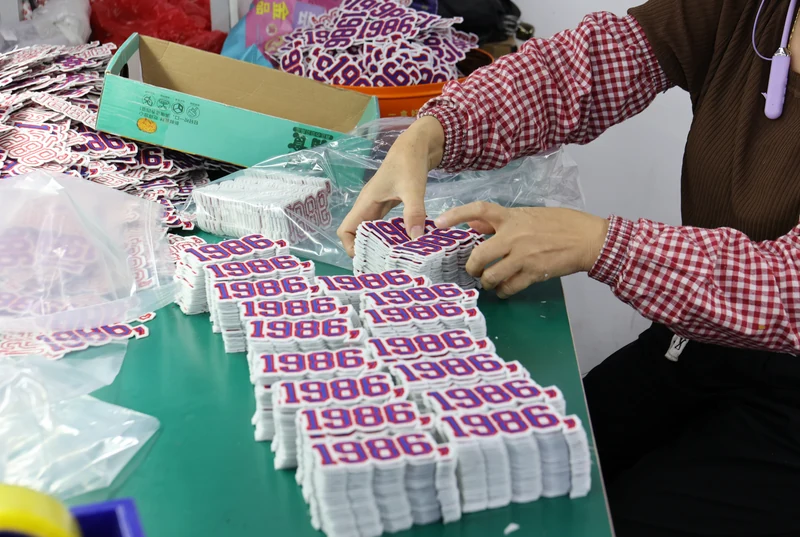
When a batch develops defects, the most useful response is to identify which part of the specification or process failed. Replacing the patch material without understanding the cause may not solve the problem.
| Observed Problem | Possible Cause to Investigate | Recommended Buyer Action |
|---|---|---|
| Patch edges lifting | Attachment method, sewing or adhesive compatibility | Inspect installation and garment condition; review attachment testing |
| Unreadable lettering | Text size, artwork complexity or process limitation | Approve actual-size samples and revise design if needed |
| Embroidery distortion | Stitch construction, fabric tension or garment interaction | Compare with approved sample and inspect on intended fabric |
| Colour change after washing | Material, chemistry, temperature or finish | Record wash conditions and seek appropriate evaluation |
| Loose sewing threads | Stitch specification, workmanship or garment stress | Review sewing method and incoming inspection criteria |
| Heat-seal peeling | Adhesive system or application parameters | Verify process settings and fabric compatibility |
| Hook-and-loop not holding | Interface condition, contamination or incompatible components | Check matched surfaces and intended maintenance |
| Inconsistent repeat orders | Missing records or unapproved material changes | Maintain approved sample, artwork versions and specifications |
| Mixed department patches | SKU or packaging control failure | Specify design-level counting and labeling before packing |
Important: These are diagnostic possibilities, not confirmed root causes for an individual defective order. The actual cause should be determined from the product, process records and observed failure conditions.
How to Build a Practical Pre-Production Testing Plan
Buyers do not need to request every possible test for an ordinary promotional workwear patch. Instead, testing should follow the risks identified by the garment’s intended use and the buyer’s technical specification.
Identify the Actual Garment
Provide the workwear fabric, garment construction, placement area, care instructions and whether the garment has any protective certification or special function.
Define the Patch Construction
Confirm the artwork, material, finished size, edge finish and backing. A test result from a different construction should not automatically be transferred to the new design.
Agree on the Expected Conditions
Specify laundering procedures, use environment, required evaluation cycles or other relevant performance conditions where needed.
Define Acceptance Criteria
State what constitutes acceptable colour, readability, dimensional change, attachment and garment condition before testing. Avoid adding a pass/fail rule after results are available.
Test the Relevant Assembly
Where attachment or garment interaction is critical, evaluate the patch installed on the intended garment rather than relying only on the loose patch sample.
Record and Approve the Results
Retain the specimen description, procedure, observations, report and approved sample reference. If specifications change, assess whether repeat evaluation is necessary.
For routine non-protective uniform orders without special durability claims, sample approval and appropriately agreed manufacturing inspection may be enough. For industrial-laundry contracts or safety-critical applications, specialized validation may be necessary.
How to Prevent Quality Differences Across Repeat Uniform Patch Orders
Industrial uniform purchasing often involves replacement garments, multiple facilities and recurring procurement cycles. A successful first order is easier to reproduce when the approved sample, material choices and quality requirements remain linked to the purchasing record.
Records Worth Keeping
- Approved artwork and design revision
- Physical patch sample and sample reference
- Specified material and backing
- Finished dimensions and accepted tolerances
- Thread or moulded colour references
- Testing requirements and records, where applicable
- Inspection scope and agreed acceptance criteria
- Quantity and packaging specifications by SKU
- Prior order number and delivery record
For multiple departments, do not rely only on the total purchase quantity. A 1,000-piece project containing ten different designs needs separate specifications and quantities for each design. This makes first-piece inspection, packaging and reorders easier to control.
For delivery planning, our lead time and rush order guide explains the distinction between artwork approval, production release, manufacturing and international transit.
Buying Durable Workwear Patches from China for the USA, UK, Canada, Australia and Europe
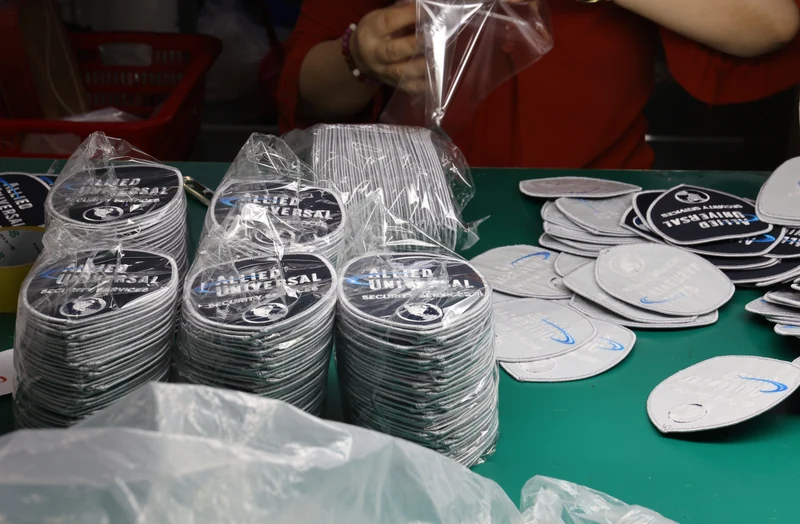
International industrial uniform buyers need to consider the intended garment, specified performance and supply-chain requirements together. Geographic purchasing terms are useful for identifying delivery and compliance context, but a destination country alone does not determine patch durability.
United States: Construction, Utility and Facility Uniform Buyers
US procurement teams should distinguish ordinary company uniforms from regulated protective clothing. When relevant, provide the applicable employer or garment requirements before sampling. For electrical utility garments, review the appropriate flame and arc-protection requirements rather than assuming a standard company logo patch is suitable.
United Kingdom: Industrial Laundry and Workwear Supply
UK workwear distributors and garment suppliers should identify the laundry program, approved garment specification and required supporting evidence. If garments are serviced by industrial laundries, define the expected testing conditions instead of relying on general washable claims.
Canada: Outdoor Maintenance and Industrial Uniforms
Canadian buyers sourcing maintenance technician patches, warehouse badges or outdoor service uniform logos should assess the actual clothing materials and care programs. Climate alone does not establish a patch’s resistance to industrial cleaning or specialized workplace hazards.
Australia: Construction, Logistics and Service Workwear
Australian buyers should confirm the intended fabric, wash procedure, garment placement and any application-specific safety requirements. Specify the expected delivery date separately from the manufacturing time when ordering from an overseas supplier.
Europe: Manufacturing and Workwear Distribution
European workwear brands and industrial garment distributors may require documented supplier specifications, material information, test evidence and destination-related documentation. The exact requirements depend on the end product and market; not every custom patch carries the same regulatory obligations.
Direct Manufacturing in Guangzhou, China
Guangzhou Lovecolour Garment Accessories Co., Ltd. supplies custom embroidered, woven and PVC rubber patches for international OEM and ODM buyers. Our product development process includes artwork review, specification confirmation, sample approval and quality inspection against agreed production references.
When contacting a patch manufacturer in China, state the destination country, required in-hand date, quantity per design, testing needs and preferred packing arrangement. This helps distinguish the factory manufacturing quotation from transport and any additional evaluation costs.
Industrial Workwear Patch Durability Checklist for B2B Buyers
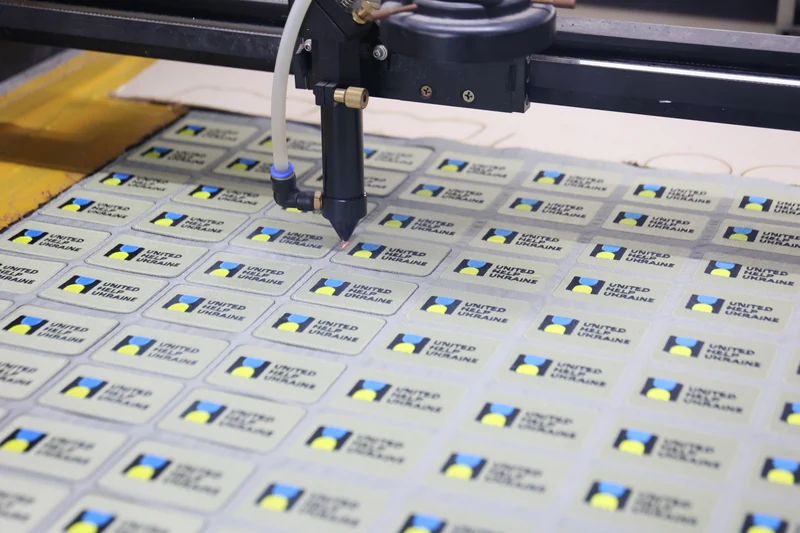
Use this checklist when preparing an RFQ or evaluating a custom patch supplier. The goal is to make material, quality and performance expectations clear before the first sample is produced.
| RFQ Item | Information to Confirm |
|---|---|
| Artwork | Approved logo file, revision and important small-text requirements |
| Finished patch | Dimensions, shape, material, edge construction and colour reference |
| Garment | Fabric, finish, placement, lining and relevant care instructions |
| Attachment | Sew-on, hook-and-loop or heat-seal construction and installation responsibility |
| Maintenance | Domestic or industrial laundry conditions and expected frequency |
| Special hazards | PPE or exposure requirements requiring separate approval |
| Sample | Approval criteria and reference specimen |
| Testing | Applicable procedure, specimen, cycles, report and pass/fail criteria if required |
| Bulk inspection | Visual, dimensional, material, backing and packing checks |
| Order quantity | Exact units per design and separate SKUs |
| Packaging | Bulk or individual packing, labels, barcodes and carton marks |
| Destination | Shipping country, location and required in-hand date |
For the next purchasing step, review the artwork preparation requirements or submit your specifications for review.
Industrial Workwear Patch Durability FAQ
1. How many industrial washing cycles can embroidered patches withstand?
There is no reliable universal number. The result depends on the exact patch, attachment, garment and washing conditions. A specific cycle claim should be supported by a relevant test report.
2. Are woven patches more durable than embroidered patches?
Neither is automatically more durable across all uses. They have different constructions and visual characteristics. Evaluate the required performance under the actual garment conditions.
3. Is sew-on backing better than iron-on for industrial workwear?
Sew-on attachment is often a practical starting point for permanent branding on suitable garments. Heat-seal performance depends on adhesive compatibility, application parameters and laundering requirements.
4. Can hook-and-loop patches be machine washed?
Some assemblies may tolerate particular wash procedures, but the result depends on the hook-and-loop materials, garment and process. The relevant construction should be checked before use.
5. Does ISO 15797 certify a custom patch?
No. ISO 15797 defines procedures used to evaluate workwear under industrial washing and finishing conditions. A specific patch performance claim requires an appropriate specimen, procedure and documented result.
6. Can standard embroidered patches be used on flame-resistant clothing?
Standard embroidered patches must not automatically be treated as suitable for flame-resistant or arc-rated protective garments. Obtain approval based on the actual garment and relevant safety requirements.
7. What should buyers check before approving a bulk patch sample?
Verify artwork, lettering, colour, dimensions, material, edge finishing, backing and garment placement. Confirm any required performance testing separately.
8. What commonly causes patch edges to lift?
Potential causes include attachment issues, incorrect adhesive application, sewing problems or interaction with the garment and laundering process. The actual cause must be investigated rather than assumed.
9. Can different departments use the same patch specification?
They may share material and backing specifications when the applications are comparable, but each artwork variation should have its own approved file, size and quantity record.
10. How can buyers compare patch suppliers fairly?
Ask each supplier to quote against the same artwork, size, material, backing, quantity, packing and testing requirements. Compare the scope, not just the unit price.
11. Do PVC patches need different durability checks?
Yes. Moulded PVC has different construction characteristics from textile patches. Evaluate layer definition, flexibility, backing and any specified environmental or cleaning performance.
12. How do I request industrial uniform patches for US or European delivery?
Send the approved artwork, dimensions, target garment, quantity per design, attachment method, required testing, destination and in-hand date. Any applicable regulatory or garment-specific requirements should be identified before production.
How LOVECOLOUR Approaches Workwear Patch Quality Control
Guangzhou Lovecolour Garment Accessories Co., Ltd. manufactures custom patches, labels and related branded garment accessories for international B2B buyers. Our product range includes embroidered, woven and moulded PVC patch construction.
Our published quality control approach uses the final approved artwork and, where applicable, an approved physical sample as manufacturing references. Key checks cover logo proportions, colour, small text, construction, edges, backing, finished dimensions and packing.
For custom projects, buyers should distinguish routine manufacturing inspection from specialized testing. Visual inspection against an approved sample does not establish industrial-laundry performance or protective clothing certification unless those properties are separately evaluated.
Read our factory quality control procedure for additional information about sample approval, first-piece checks, in-process inspection, finished-goods checks and repeat-order consistency.
Official References and Important Limitations
ISO 15797:2017: Industrial washing and finishing procedures for testing of workwear. The standard describes defined evaluation procedures; it does not certify every patch or automatically establish an acceptable number of wash cycles.
OSHA: Protection From Flames and Electric Arcs, Appendix E to 29 CFR 1910.269. This reference is relevant to certain electrical work environments and should not be generalized as a single worldwide PPE requirement.
Manufacturer inspection information: LOVECOLOUR Quality Control. This describes the company’s published inspection workflow, not an independent certification of all products for every industrial environment.
This article provides technical procurement guidance. It does not replace a garment manufacturer’s specifications, qualified laboratory evaluation, occupational safety advice or application-specific regulatory review.
Need Custom Industrial Patches for a Bulk Uniform Program?
Whether you source patches for construction workwear, manufacturing uniforms, maintenance clothing, warehouse teams or industrial garment distribution, the best starting point is a clearly defined product and application specification.
LOVECOLOUR can review approved artwork, finished dimensions, construction options, backing requirements and bulk quantities before providing a project-specific quotation. Please identify any special washing, testing or protective clothing requirements at the inquiry stage.
Send Us These Details
- Logo artwork and finished patch dimensions
- Garment type, fabric and intended application
- Embroidered, woven or PVC construction preference
- Sew-on, hook-and-loop or heat-seal requirements
- Quantity per individual design
- Required durability verification or specialized standards
- Packaging, destination country and required arrival date
Explore Custom Industrial Workwear Patches
Send Artwork & Request a Quote
Guangzhou Lovecolour Garment Accessories Co., Ltd. | Custom Patch Manufacturer in Guangzhou, China | International OEM & ODM Supply