A sequin patch can look impressive in a product photograph and still be unsuitable for bulk apparel production. Reflective surfaces attract attention, but appearance alone does not tell you whether the sequins are securely attached, the edges are comfortable, the artwork is reproducible or the patch will behave properly on the finished garment.
For apparel brands, dancewear suppliers, promotional merchandise companies and wholesale buyers, the real challenge is not simply ordering a shiny patch. It is developing a repeatable product specification that can be approved, manufactured, inspected and reordered.
This guide explains 12 important sequin patch quality control checks, from artwork preparation to sample approval and bulk inspection. It also includes practical recommendations for overseas buyers sourcing custom sequin embroidery patches from China.
Quick answer: A good custom sequin patch should match the approved design, have appropriately secured and positioned sequins, maintain its intended dimensions and edge finish, use an attachment method compatible with the target garment, and meet agreed inspection criteria. A visual sample alone cannot establish washing durability or long-term wear performance.
If you are already developing a design, see our custom sequin patches manufacturing options before preparing your production brief.
Why Sequin Patch Quality Is Different From Ordinary Embroidery
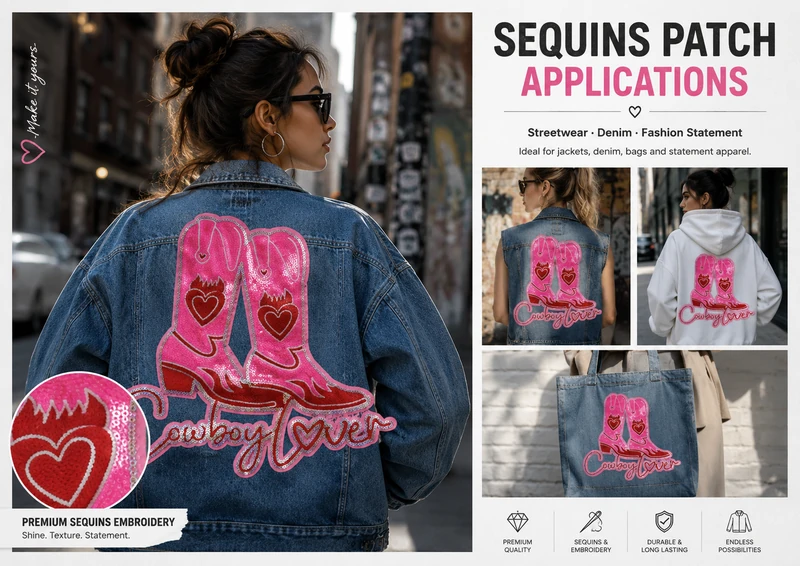
Conventional embroidered patches primarily use thread to build the visible design. Sequin embroidery introduces additional components, including reflective sequins, their attachment stitches and the relationship between the sequins and the base material.
These components create additional variables during manufacturing and use.
A patch may have accurate colours and attractive reflections but still contain loose sequins, uneven coverage, unsuitable edges or attachment problems. Conversely, a patch can be technically well constructed but fail to reproduce the intended logo details.
For buyers, this means that artwork approval, construction approval and garment application approval are related but separate decisions.
Three Questions Every Buyer Should Answer
- Does the patch reproduce the approved design? Check shape, dimensions, colours, lettering, borders and decorative coverage.
- Is the construction appropriate? Review sequin attachment, stitching, base material, flexibility and edge finishing.
- Will it work on the intended product? Consider garment fabric, position, movement, attachment method, contact with the wearer and expected care conditions.
A supplier should be able to discuss these questions before the buyer commits to a large production quantity.
The 12-Point Sequin Patch Quality Control Checklist
1. Check Artwork at the Actual Finished Size
The first quality problem often begins before manufacturing: artwork that looks clear on a computer screen but contains details too small for the intended production method.
A large digital drawing may include narrow gaps, fine lines or lettering that cannot be reproduced reliably once reduced to a small patch.
What buyers should check:
- Final width and height, not only the artwork proportions
- Smallest lettering and narrowest lines
- Spacing between adjacent graphic elements
- Whether sequins will cover important details
- Distance between decorative elements and the finished edge
Practical recommendation: Ask the manufacturer to review the design at actual size and identify any details that should be enlarged, simplified or changed to conventional embroidery.
There is no universal minimum lettering size that guarantees a good result for every sequin patch. The usable detail depends on the actual construction and materials.
2. Choose an Appropriate Sequin Size and Coverage
Sequin dimensions and the area they cover influence both appearance and construction. Large reflective elements may work well for bold decorative graphics but may be unsuitable for small intricate logos.
The correct sequin coverage also depends on the desired amount of visible base fabric, the design’s visual hierarchy and the finished dimensions.
Possible problems: Uneven-looking coverage, unwanted gaps, loss of fine details or excessive overlap in visually sensitive areas.
What buyers should request: A clear approved layout or physical sample showing the selected sequin material and intended coverage.
Do not approve a bulk order solely because a digital preview appears fully covered. The physical appearance can be different.
3. Inspect How the Sequins Are Attached
A major construction issue is whether each sequin is secured appropriately for the selected embroidery system and product application.
Sequin embroidery commonly uses stitches to secure decorative sequins to the base fabric. The exact attachment structure depends on the equipment, sequin type and stitch program.
Possible defects include:
- Missing sequins
- Loose or inadequately secured sequins
- Visible irregularities in the intended arrangement
- Damaged attachment stitches
- Unwanted thread ends affecting the finished appearance
Buyer action: Examine the sample closely and compare several representative areas. Ask the manufacturer how attachment consistency will be inspected during the production run.
Do not rely on an unsupported claim that sequins are permanently attached. Durability depends on construction and use conditions.
4. Check Sequin Direction and Reflective Consistency
Two patches made with the same sequin colour may appear different if their sequin orientation, surface position or lighting conditions differ.
This matters when a clothing brand expects consistent visual presentation across a product collection.
Inspect the sample under:
- Diffuse natural or neutral lighting
- Direct light from more than one angle
- The expected display conditions, when relevant
Keep the approved material finish and visual reference with the order specification. A reflective sequin surface should not be judged only from a heavily edited product photograph.
Important: Pantone references may help communicate intended colours, but they do not guarantee an identical visual appearance across reflective sequins, embroidery threads and base fabrics.
5. Inspect the Backing Fabric and Stitch Tension
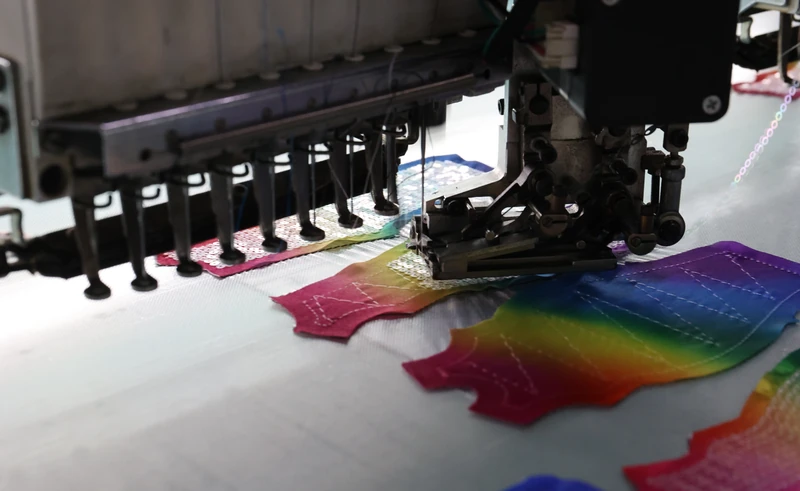
Sequin embroidery is supported by a textile construction. If the base fabric and embroidery tension are unsuitable, the finished patch may show unwanted distortion or instability.
Common warning signs:
- Visible puckering around decorated areas
- Warped patch shape
- Uneven or distorted edges
- Unexpected stiffness
- Fabric distortion near concentrated stitching
Some patch constructions are intentionally firm. The question is whether the finished product matches the approved specification and remains suitable for its intended use.
For clothing brands using lightweight or stretch materials, evaluate the complete patch-and-garment combination rather than the isolated patch alone.
6. Inspect Edge Finishing and Snagging Risks
Decorative patches may have stitched borders, contour-cut edges or other appropriate finishing methods. The correct option depends on the shape and construction.
For sequin patches, the edge should be reviewed particularly carefully because decorative elements and exposed edges may come into contact with surrounding fabric, accessories or skin.
Check for:
- Rough or uncomfortable edges
- Damaged or poorly finished contours
- Loose threads near the border
- Sequins extending beyond the intended outline
- Areas that may catch on adjacent fabric
Practical recommendation: Evaluate the patch at the intended position on the actual garment, including situations where the patch may rub against another surface.
A stage costume and an everyday sweatshirt may require different acceptance decisions.
7. Confirm That Small Lettering Remains Readable
Fine lettering is one of the most common areas where buyers should question the original production concept.
Sequins are primarily decorative reflective elements. They are not always the right medium for small text, thin outlines or intricate lettering.
Where the design includes fine details, conventional embroidery may be more suitable for selected areas. In some projects, a different patch technique may provide better definition.
Example: A large star graphic with a small brand name underneath may be better constructed with sequins on the star and embroidery for the brand name, rather than attempting to cover every element with sequins.
This is a design recommendation, not a universal production rule. The artwork should be reviewed at the required finished size.
See our embroidery process guide for related considerations involving stitching, outlines and artwork details.
8. Match the Patch Weight and Flexibility to the Garment
A patch that feels appropriate on a structured jacket may be unsuitable for a lightweight T-shirt or flexible performance garment.
Patch dimensions, material weight, stiffness, attachment and position can all affect how the finished garment hangs or moves.
Questions to ask:
- Will the patch be placed on a rigid or stretch fabric?
- Will it sit near a seam or high-movement area?
- Does the patch change the garment’s drape?
- Will the wearer feel the patch against the skin?
- Is the garment designed for frequent movement?
Buyer action: Request a sample and position it on the actual garment fabric before making a bulk approval decision.
9. Check the Attachment Method Before Production
Sew-on backing, heat-seal constructions and other attachment methods are not interchangeable.
The appropriate method depends on the base material, decorative construction, target garment and installation process.
For sequin patches in particular, buyers should not assume that any patch can be ironed directly.
For heat application, confirm:
- Whether the proposed backing is suitable for the patch construction
- Whether the garment can tolerate the required heat and pressure
- Whether the decoration is protected during application
- Whether adhesion performance has been checked under intended conditions
For sew-on application, confirm: Stitching position, seam clearance, patch shape and whether the attachment method is appropriate for the garment.
Do not approve a backing only because it is commonly used on conventional embroidered patches.
10. Evaluate Washing and Wear Requirements
One of the most important questions is also one of the easiest to answer incorrectly: Are sequin patches washable?
The correct answer is that wash performance is construction-specific. It depends on the sequin materials, attachment stitching, backing, garment fabric, washing method and expected wear conditions.
A sample that looks excellent before washing does not establish long-term durability.
Before approval, consider:
- Expected washing frequency
- Hand washing or machine washing requirements
- Temperature and detergent conditions
- Tumble drying or other drying requirements
- Friction against other garments
- Flexing, movement and normal wear conditions
For garments requiring validated care performance, define a relevant test method and acceptance criteria before testing the sample.
Do not publish claims such as “50 washes guaranteed” unless the exact tested construction, method and results support that statement.
For children’s apparel or products with special safety requirements, confirm applicable destination-market requirements with a qualified compliance specialist. General visual inspection does not replace product safety assessment.
11. Use an Approved Sample as the Bulk Production Reference
A digital artwork approval and a physical sample approval are different milestones.
Digital artwork can confirm layout, proportions and intended colours. A physical sample can additionally demonstrate the actual materials, reflective effect, construction, edge finish and dimensions.
For a new or complex sequin patch, a physical sample can be particularly valuable.
A useful sample approval record should identify:
- Artwork version and date
- Final dimensions and shape
- Sequin material and visual reference
- Embroidery thread and base material
- Backing and edge construction
- Photographs of the approved front and back
- Any required application or performance checks
- Approved deviations or limitations
At LOVECOLOUR, the applicable production reference is the final approved production artwork, together with the approved physical sample when one is produced.
Our sample approval guide explains how physical samples and documented specifications support production decisions.
12. Define Bulk Inspection and Reorder Consistency
A successful sample does not automatically mean every unit in a bulk shipment will match it.
Before mass production, define the acceptable variation for the important product characteristics.
Inspection should consider the type and severity of defects, the quantity being produced and the agreed inspection arrangement.
Key areas include:
- Correct design and artwork version
- Finished dimensions and shape
- Sequin colour and arrangement
- Attachment stitching and missing elements
- Edge finish and backing
- Visible workmanship defects
- Quantity, SKU sorting and packaging
For multi-design orders, confirm how each version will be identified and separated during packing.
If the buyer requires a particular inspection sampling plan, defect classification or acceptance level, this should be agreed before production rather than assumed.
For repeat orders, compare the new production against the approved specification and retained references. Material availability and production conditions may need to be reconfirmed.
Learn more about our custom patch quality control process.
When Should a Sequin Patch Be Rejected, Reworked or Approved?
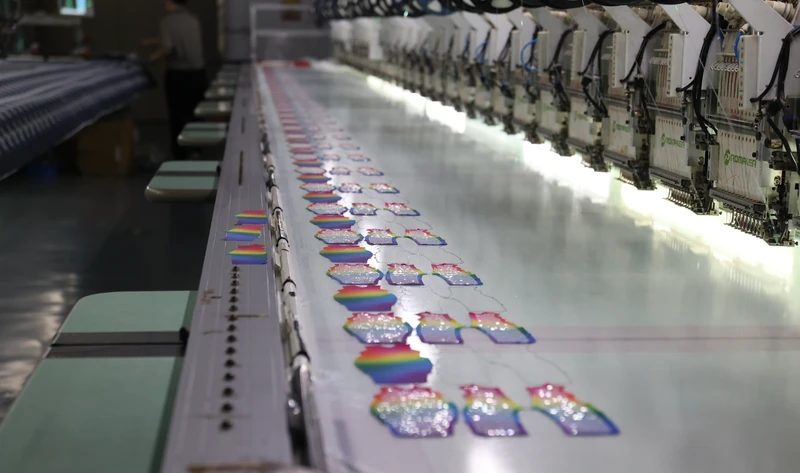
Not every visible difference is an automatic manufacturing defect. Some variations may arise from the intended reflective material, viewing angle or characteristics of the approved construction.
The key is to define acceptable and unacceptable outcomes before manufacturing.
| Observation | Recommended Buyer Decision |
|---|---|
| Incorrect logo or artwork version | Hold affected goods for investigation and agreed corrective action |
| Missing or loose sequins | Evaluate against agreed defect limits; rework or reject as appropriate |
| Minor reflective appearance differences | Compare with approved physical reference under consistent lighting |
| Unreadable required lettering | Do not approve until the artwork or construction issue is resolved |
| Incorrect size or border construction | Evaluate against the agreed dimensional and construction tolerances |
| Unverified heat-seal performance | Hold application approval until suitable testing is completed |
| Sharp or unacceptable snagging edge | Investigate product suitability and corrective action before approval |
| Packaging or SKU mix-up | Correct sorting and verify quantities before shipment |
Important: These are suggested decision principles, not a factory-specific defect allowance or a substitute for a contractual inspection standard.
A Practical Three-Gate Approval Method for Sequin Patches
Instead of treating sample approval as a single yes-or-no decision, buyers can organize the process into three practical approval gates.
Gate 1: Artwork and Manufacturing Feasibility
Approve only when: The artwork version, final size, main decorative areas, fine details and proposed construction have been reviewed.
Do not proceed when: The design includes unresolved details that the selected process cannot reliably reproduce.
Gate 2: Physical Sample and Application
Approve only when: The sample meets the agreed visual and dimensional requirements and any necessary garment application checks have been completed.
Do not proceed when: The sample has unresolved attachment, comfort, material or care-performance concerns.
Gate 3: Bulk Production and Shipment
Approve only when: The completed order has been evaluated against the confirmed artwork, sample reference, quantity and packing requirements under the agreed inspection plan.
Do not proceed when: Significant product or shipment discrepancies remain unresolved.
This three-gate approach is a recommended buyer workflow. It is not a claim that every manufacturer uses an identical approval system.
Sequin Patch Inspection Checklist: Before Sampling, Production and Shipment
The following checklist can be copied into an RFQ, purchase order or sample approval form.
| Stage | Buyer Check | Evidence to Request |
|---|---|---|
| Artwork | Correct final dimensions and readable details | Production artwork and size confirmation |
| Artwork | Appropriate sequin coverage | Layout review or sample reference |
| Materials | Approved sequin and base material | Material specification or physical reference |
| Sample | Attachment and alignment | Close-up sample photographs and inspection |
| Sample | Finished outline and dimensions | Measured sample |
| Sample | Backing and garment compatibility | Application review or required test result |
| Sample | Wear and care suitability | Agreed testing where necessary |
| Production | Correct artwork and sample reference | Approved version records |
| Production | Consistent workmanship | Inspection records under agreed criteria |
| Shipment | Correct quantities and SKU separation | Packing list and shipment checks |
Why Sequin Patch Pricing and MOQ Depend on the Construction
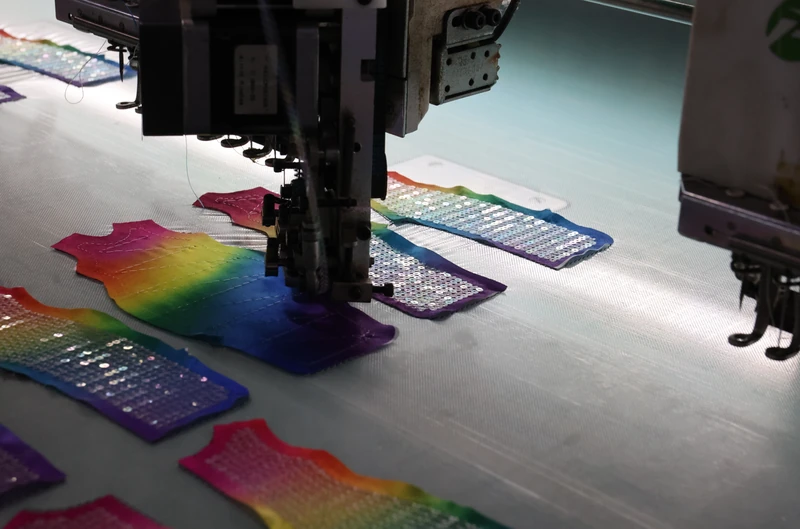
Buyers comparing wholesale sequin patch quotations should not focus on unit price alone.
Two patches with identical dimensions may have different manufacturing costs because of sequin coverage, material selection, embroidery details, shape, backing, setup requirements and quantity per design.
A lower quoted price may reflect a different specification rather than a more efficient production process.
How to Compare Two Supplier Quotations
Ask both suppliers to quote against the same confirmed specification:
- Artwork version and finished size
- Sequin material and required decorative coverage
- Base fabric and additional embroidery
- Backing and edge finishing
- Quantity per design
- Sample fees and applicable setup charges
- Packaging and delivery terms
- Production and shipping schedule
Only then can the quotations be compared meaningfully.
LOVECOLOUR’s published custom sequin patch product specification currently lists a 500-piece MOQ and a 7–10 day production lead time. These should be treated as the published product reference; the actual commercial terms and schedule must be confirmed in the written quotation for your artwork and order.
For a detailed explanation, read our wholesale patch pricing and MOQ guide.
Sequin Patch Sourcing Considerations for USA, UK, Europe and Australia
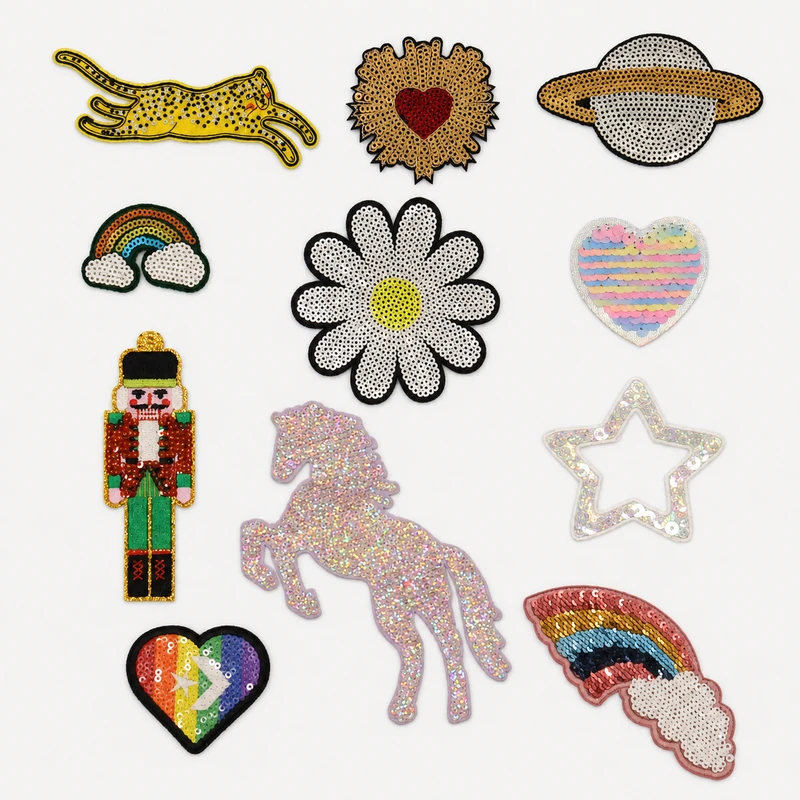
Apparel brands and wholesale buyers often source decorative garment accessories from overseas manufacturing facilities. For an international project, product quality and shipping readiness should be considered together.
For US Apparel Brands and Merchandise Buyers
Buyers in the United States, including New York, Los Angeles and other apparel markets, should confirm whether the patch will be applied before or after import, what garment materials are involved and which party will perform the final application.
If importing patches separately, distinguish the patch manufacturing quotation from freight, import clearance and other landed-cost items.
For UK and European Apparel Buyers
For UK and European orders, provide any destination-market product requirements that are relevant to the intended garment or merchandise category.
Requirements may differ depending on the finished product, intended age group and whether the patches will be supplied separately or attached to garments.
For Australian Apparel and Promotional Merchandise Suppliers
Australian buyers should include their required delivery date, destination, final garment application and packing requirements in the RFQ.
For an event or seasonal collection, work backward from the required delivery date and allow appropriate time for artwork review, sampling, bulk manufacturing and transport.
Why Direct Manufacturer Communication Matters
Clear communication with a manufacturer can help resolve artwork and process questions before production. However, factory-direct sourcing does not automatically eliminate manufacturing risk.
Buyers still need an approved specification, defined inspection requirements and a clear written quotation.
LOVECOLOUR is a custom patch manufacturer in Guangzhou, China, supporting overseas apparel and merchandise enquiries. You can review our factory manufacturing information before submitting your project.
Sequin Patches vs. Other Patch Methods: When Should Buyers Change the Process?
One of the most valuable production decisions is recognizing when sequin embroidery is not the best solution.
If the primary requirement is sparkle or a reflective decorative effect, sequin embroidery may be appropriate. If the main requirement is extremely small text, fine outlines, a low-profile surface or frequent heavy-duty use, another construction may deserve consideration.
| Primary Requirement | Method Worth Evaluating | Reason |
|---|---|---|
| Reflective decorative surface | Sequin embroidery | Creates a light-catching appearance |
| Traditional stitched texture | Flat embroidery | Provides a thread-based embroidered surface |
| Very fine compact lettering | Woven patch | May hold smaller woven details more clearly |
| Soft raised varsity texture | Chenille | Creates a prominent yarn-pile surface |
| Highly detailed full-colour artwork | Suitable printed construction | May reproduce detail that is unsuitable for stitching |
The best choice depends on the finished artwork, materials and intended application. A manufacturer should be willing to recommend another process when the original design does not suit sequin embroidery.
Frequently Asked Questions About Sequin Patch Quality
What is the most common quality risk with custom sequin patches?
There is no verified universal ranking of sequin patch defects. Important risks include insecure sequin attachment, unsuitable artwork details, inconsistent decorative coverage, poor edge finishing and incompatibility with the target garment. The highest-priority risk depends on the design and use.
How do I know whether sequins are securely attached?
Inspect the physical sample for missing or loose sequins and visible attachment problems. If attachment performance is critical, agree on an appropriate evaluation method and acceptance criteria with the supplier before bulk production.
Can a sequin patch be used on a stretch garment?
It may be possible, but suitability depends on patch dimensions, stiffness, attachment method, position and the garment’s movement. Evaluate the patch on the intended fabric before approving production.
Are iron-on sequin patches durable?
Durability cannot be determined from the term “iron-on” alone. The adhesive construction, sequin materials, garment fabric, application conditions and expected care requirements all affect performance. The specific combination should be evaluated.
Can I approve sequin patches using photos only?
Photographs can help confirm appearance and visible workmanship, but they cannot fully establish tactile properties, attachment strength, edge comfort or wash performance. A physical sample is advisable when those factors are important to the purchase decision.
Should every custom sequin patch order require a sample?
Not necessarily. Sampling requirements depend on the design, process, material, order history and risk. New or complex designs and projects with critical appearance or performance requirements benefit especially from physical sample approval.
What should be included in a sequin patch quality inspection report?
The report should identify the approved specification, inspected quantity, inspection method, applicable acceptance criteria, observed defects and final disposition. Additional measurements or performance results should be included where relevant and agreed.
Final Buyer Recommendation: Approve the Construction, Not Just the Sparkle
A successful custom sequin patch order is not defined only by its appearance in a photograph.
The buyer should know what is being manufactured, how the design will be reproduced, how the patch will be attached, which performance requirements matter and what the finished shipment will be checked against.
Before placing a wholesale sequin patch order, establish three things: a feasible production design, an appropriate approved reference and clear bulk acceptance criteria.
That approach is more useful than relying on vague promises of premium quality or unlimited durability.
Request a Custom Sequin Patch Manufacturing Review
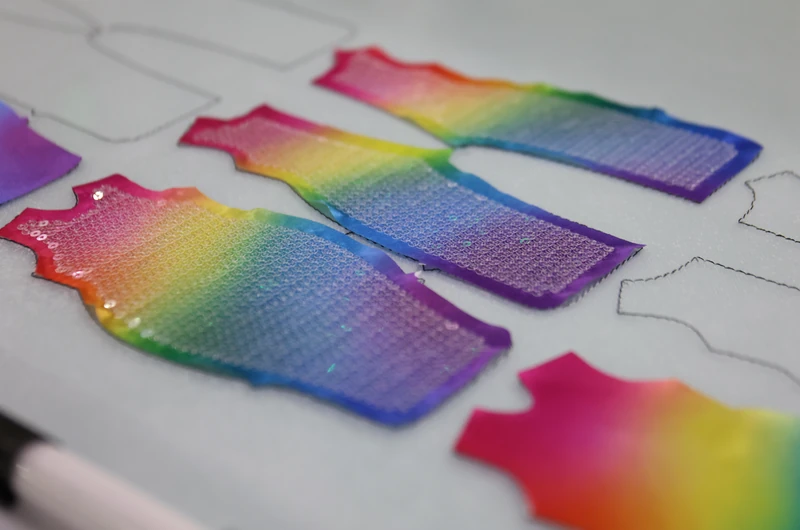
Guangzhou Lovecolour Garment Accessories Co., Ltd. provides OEM and ODM custom patch manufacturing for apparel brands, promotional merchandise suppliers and wholesale buyers.
For a practical quotation and feasibility review, send:
- Your artwork and finished patch dimensions
- Preferred sequin colours and decorative coverage
- Target garment or product application
- Backing and edge requirements
- Quantity per unique design
- Any relevant inspection or performance requirements
- Packaging and delivery destination
- Required delivery date
Explore Custom Sequin Patch Manufacturing Options
Send Your Artwork and Request a Factory Quote
Guangzhou Lovecolour Garment Accessories Co., Ltd.
Custom Patch Manufacturer — Guangzhou, China
Email: info@lovecolour.com.cn
Manufacturing and Editorial References
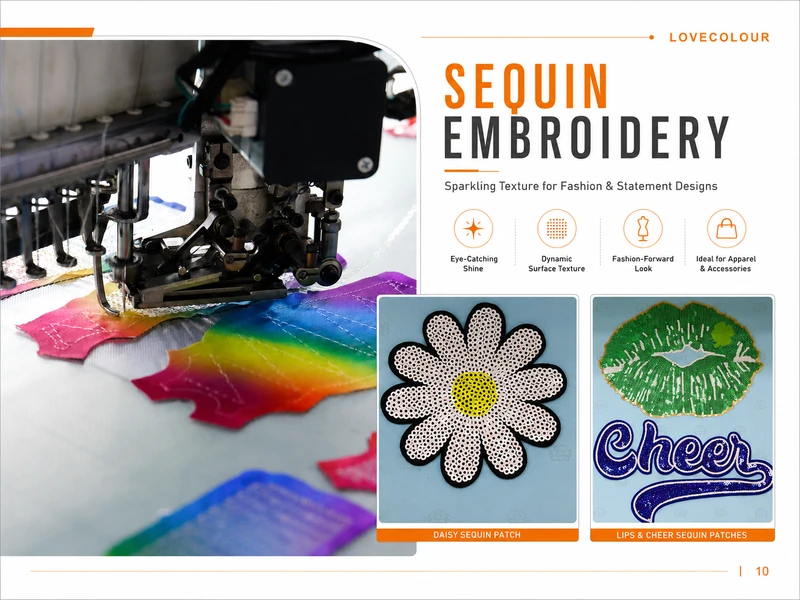
This buyer guide explains recommended pre-production and inspection decisions. Specific acceptance limits, test methods and performance claims must be defined for the individual product and should not be inferred from a general article.