What an embroidered patch is
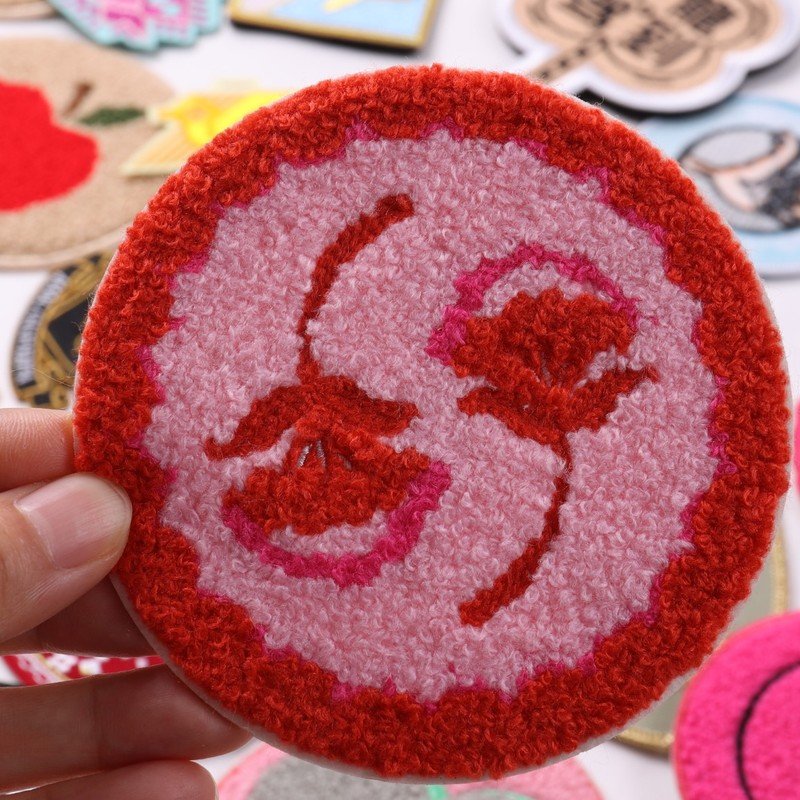
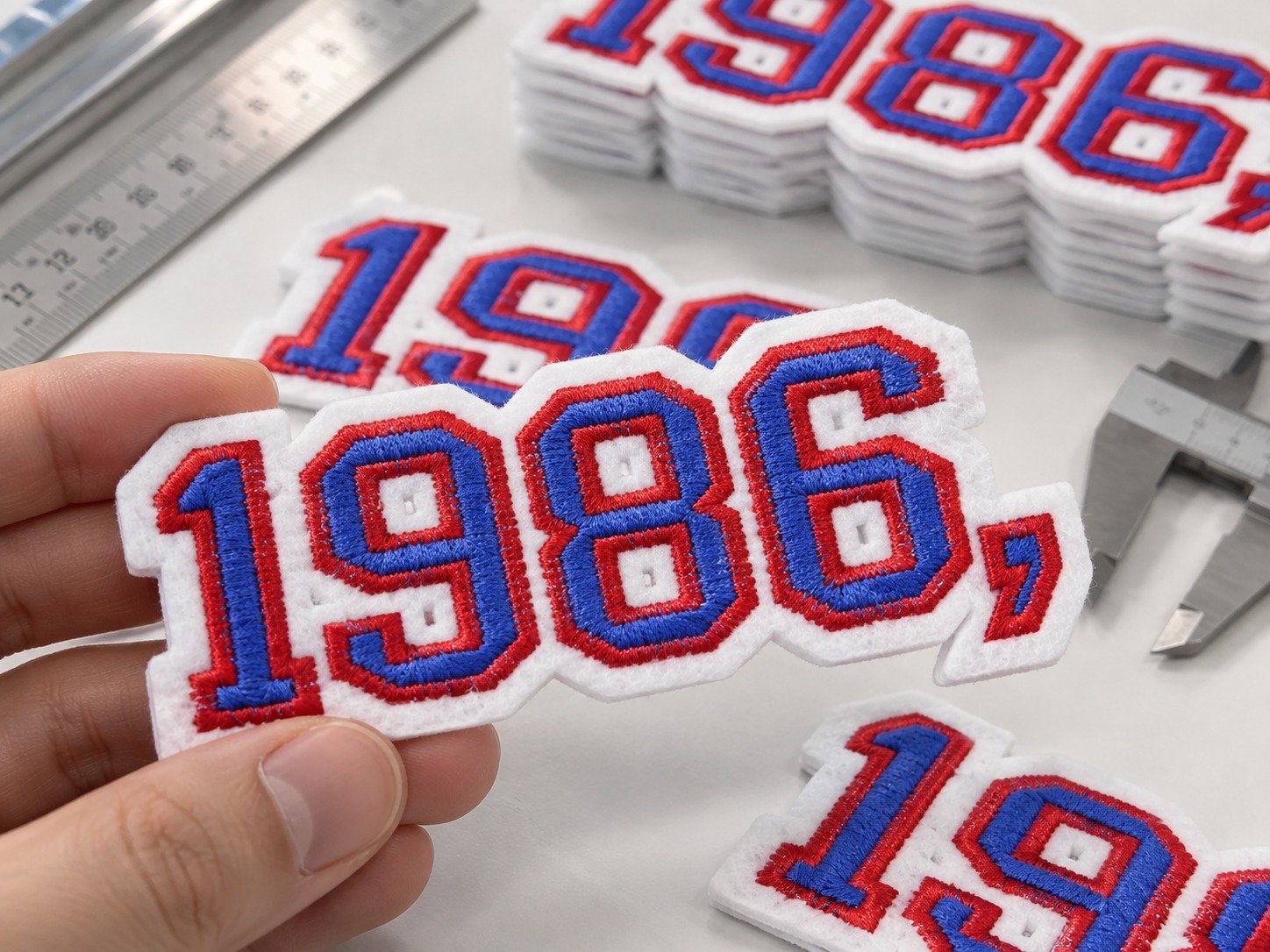
An embroidered patch is coloured thread stitched onto a base fabric — twill, felt or canvas — rather than printed or moulded. Coverage can be flat, high-density or full, and the effect can add metallic thread, selected sequin or mixed materials. The stitched surface is raised and tactile, and the border reads as a badge or crest at a distance, which is why embroidery stays the default for uniforms, caps, jackets, bags and gear.
What we check before it is stitched
Your artwork is read at the finished size before anything is quoted. These are the points that decide whether embroidery is the right process for it:
- Logo proportion, and how the mark sits inside the finished shape
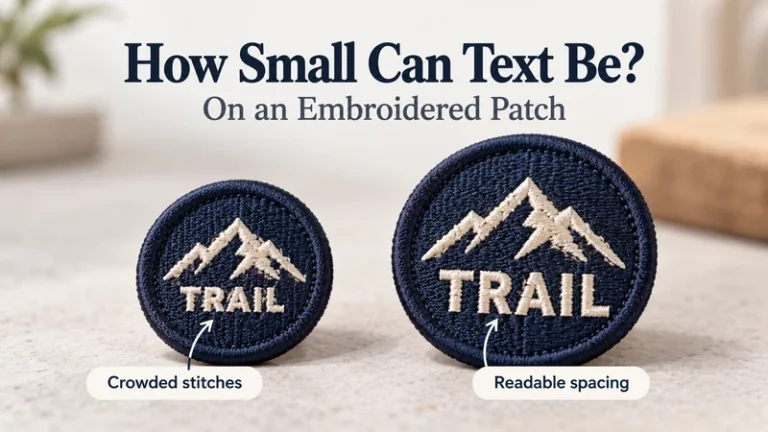
- Small-text clarity and fine-line feasibility at the size you specified
- Stitch direction and stitch density for the surface it will sit on
- Thread colours, against the reference you supply
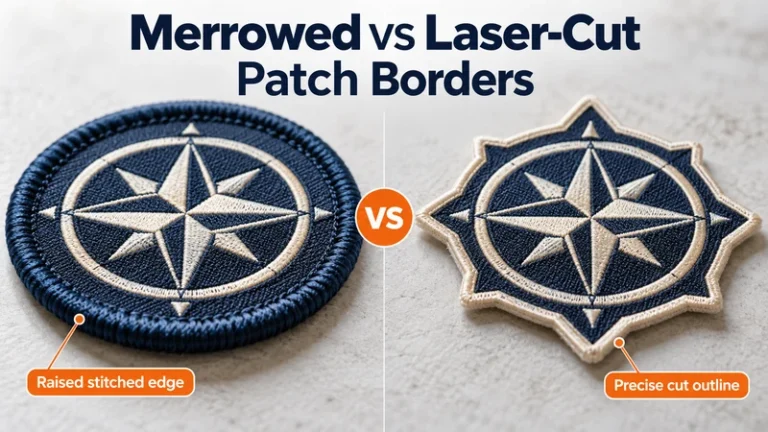
- Border structure, and the cutting line for the contour
- Finished size, and the backing it will be applied with
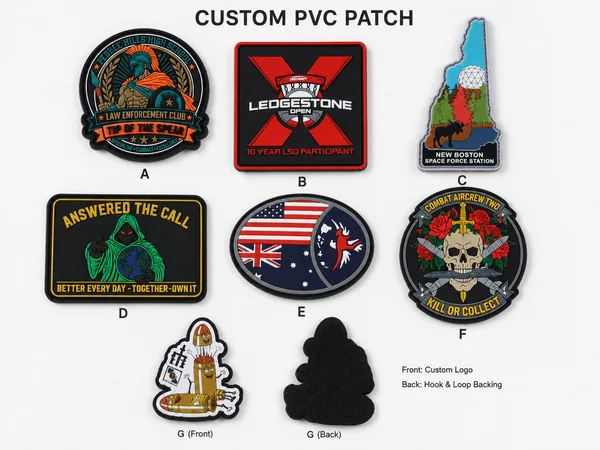
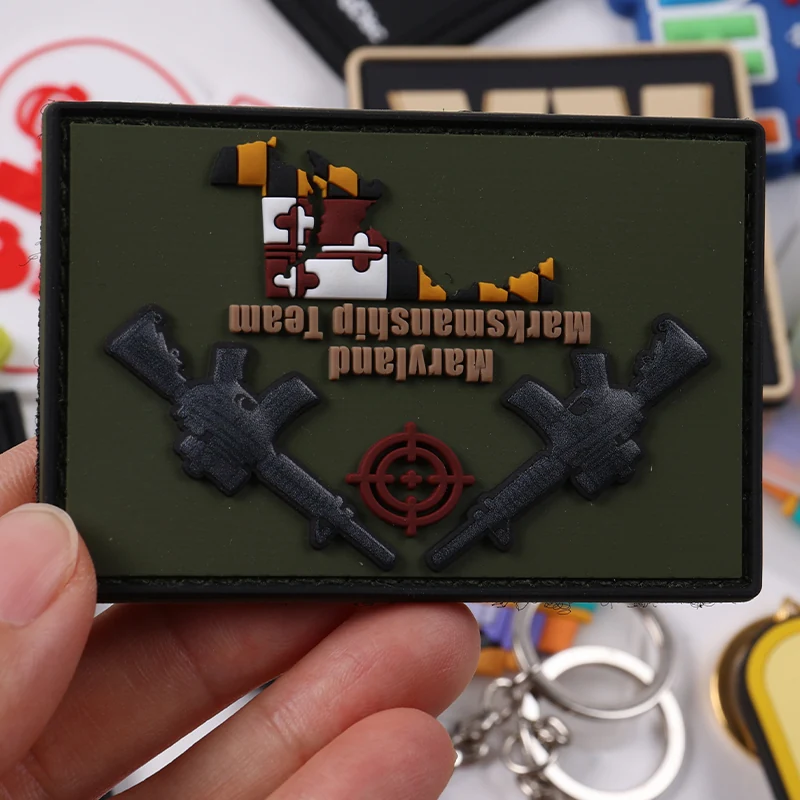
Where a design carries text or detail finer than a stitch can resolve, we say so rather than producing a specification that cannot hold it, and recommend adjusting the size, simplifying the artwork, or moving to woven or PVC, which reproduce fine detail on a smoother surface.
How it is made
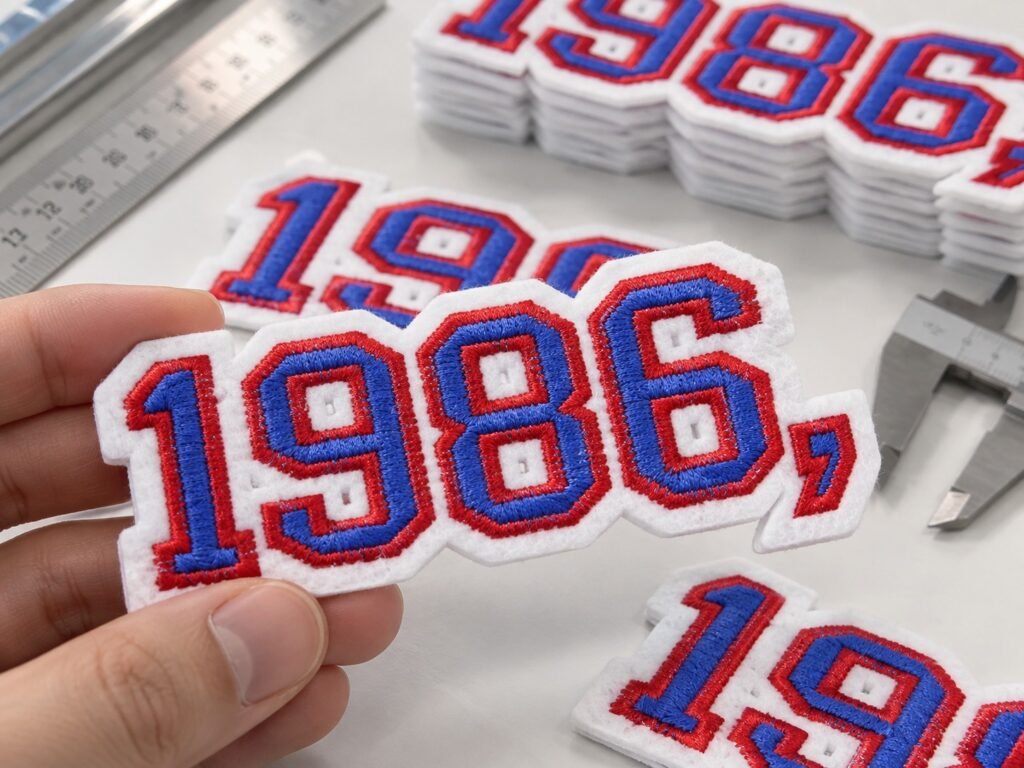
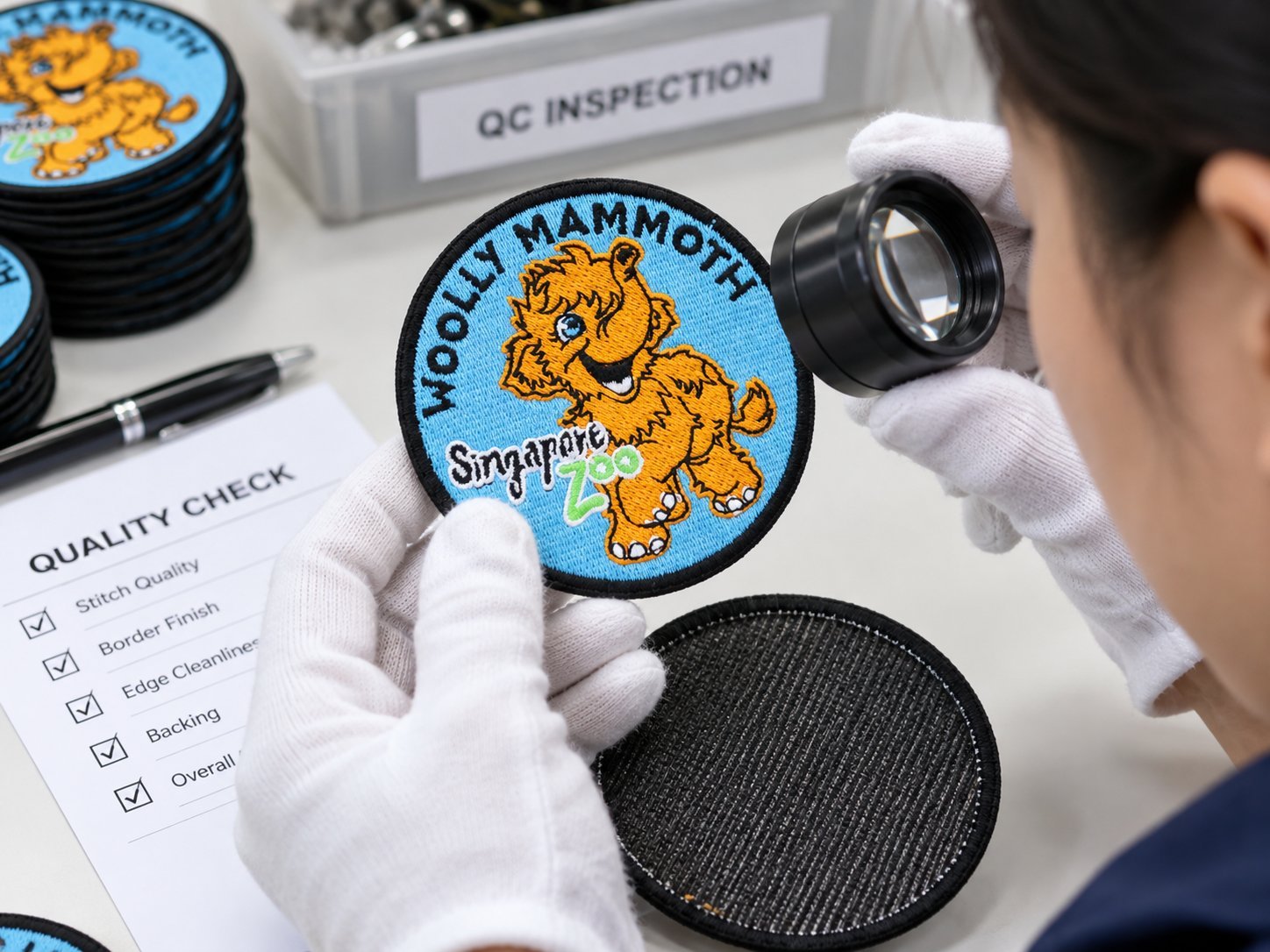
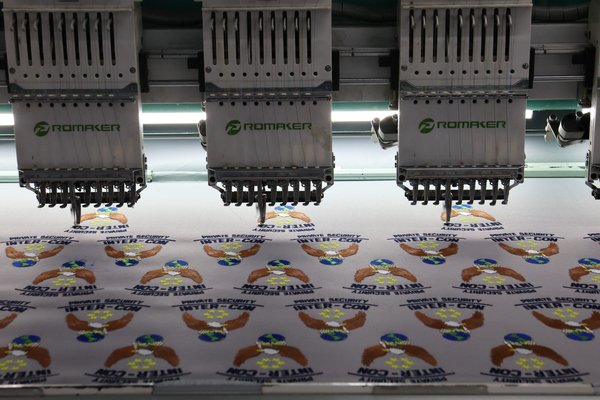
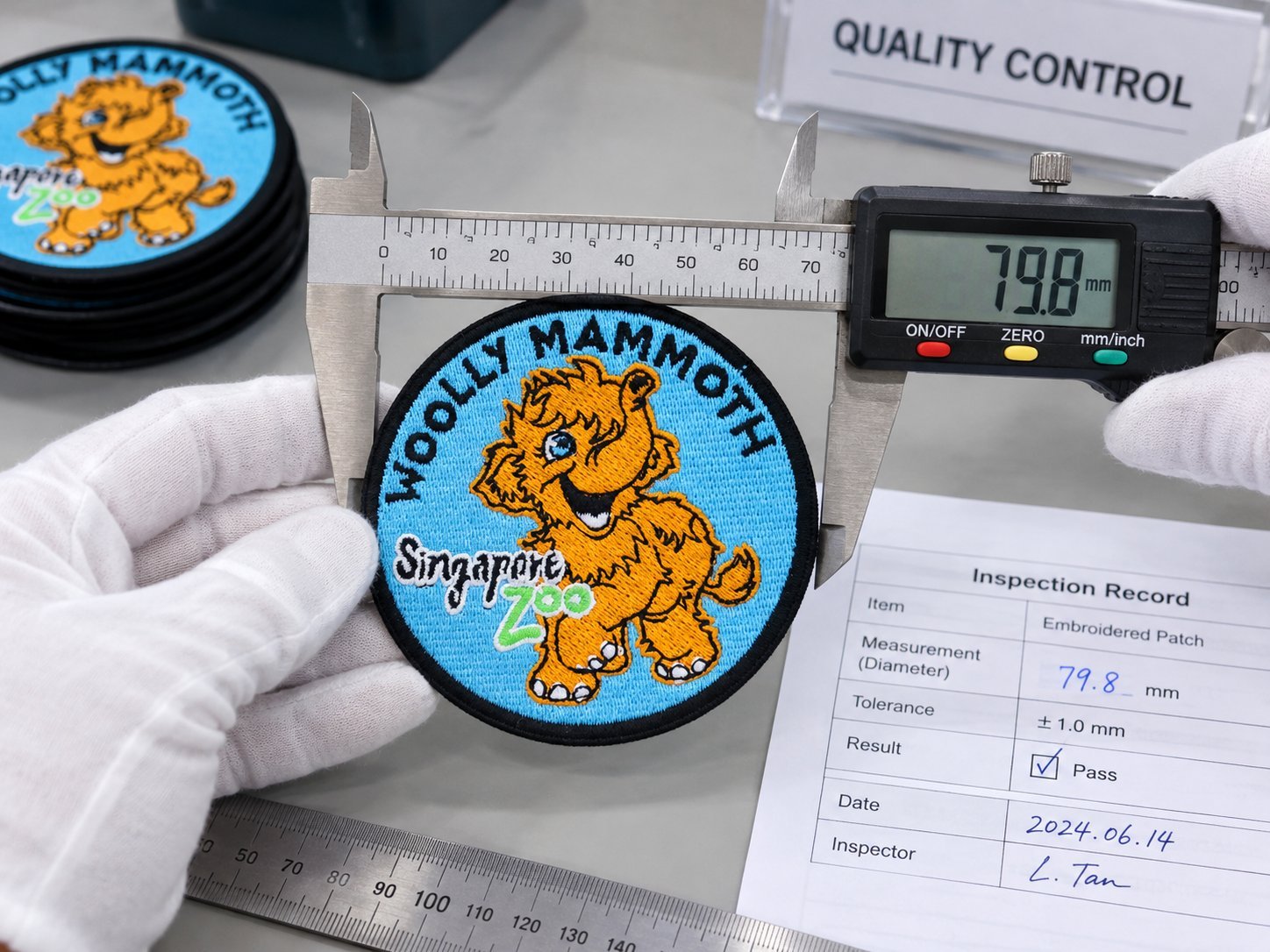
The artwork is digitized into a stitch file, a physical sample is produced for your approval, and that approved sample becomes the standard the bulk run is measured against. Bulk production runs across 50+ large high-precision computerized embroidery machines in our 7,000 m² plant in Guangzhou. Contours, lettering and inside cut-outs are finished on 30+ vision-guided cutting machines, backing lamination and heat-press application are done in house, and colour matching, stitching, thread colour, edge, dimensions and bulk consistency are inspected against the sample you approved.
What you can specify
- Size and shape — any outline, including irregular contours, lettering and inside cut-outs
- Thread colours — matched to the colour reference you send
- Base fabric — twill, felt or canvas
- Border — merrowed, or a vision-cut contour
- Backing — sew-on, iron-on / heat-seal, pressure-sensitive adhesive or hook-and-loop
- Effects — metallic thread, selected sequin, mixed-material construction
Backing and attachment
The backing is chosen for the garment the patch goes onto, not the other way round. Iron-on and heat-seal performance, adhesive and hook-and-loop attachment, stitching and thread colour are all inspection points, and a garment that is laundered heavily usually calls for a sew-on back, or a stitched perimeter in addition to the adhesive backing.
Where it is used
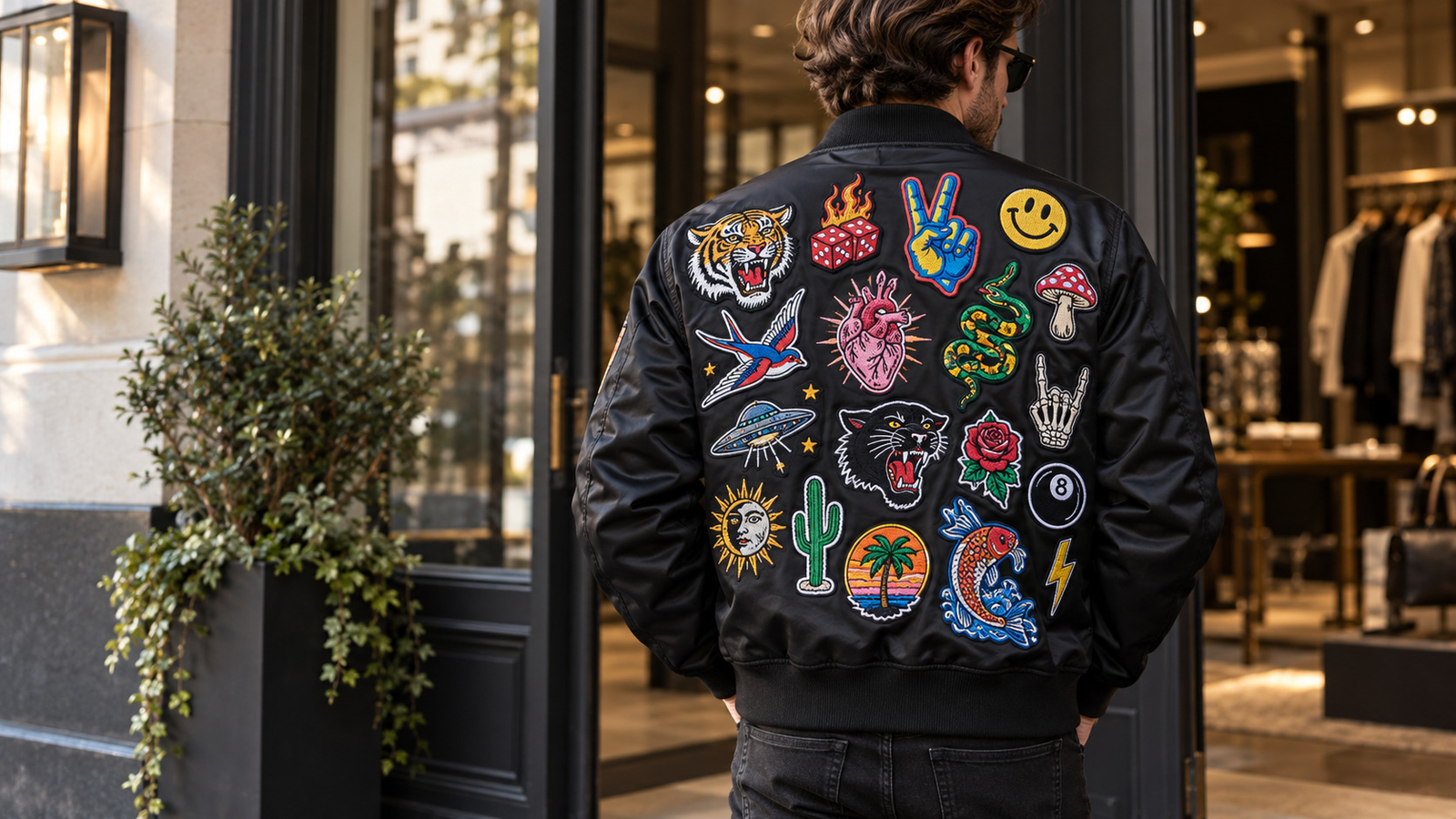
Apparel and streetwear, caps and headwear, uniforms and workwear, jackets, bags and backpacks, outdoor and tactical gear, sportswear, schools, clubs and teams, brand merchandise, souvenirs, and retail or e-commerce products.
Sending this product for quotation
Send what you have with the inquiry form below — a logo file, or a photograph of a sample you already own — together with:
- Artwork (AI, PDF, EPS or SVG with fonts outlined is ideal; a high-resolution raster file also works)
- Finished size and shape
- Quantity
- Base fabric and backing
- Packaging requirement
- Application and destination
- Required delivery date
The MOQ, the price and the date come back confirmed against that specification, because size, stitch count, thread colours and backing all move them.